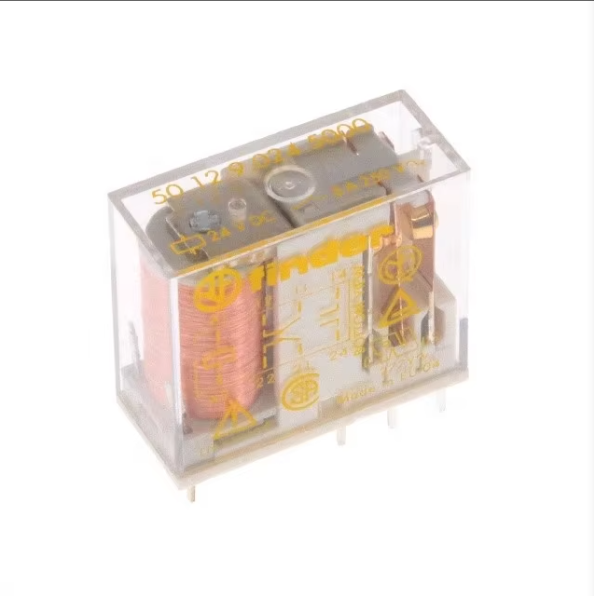

Aerospace applications present a unique set of challenges for electrical contacts. From the high G-forces of launch and maneuvers to the low-pressure (vacuum) environments of high-altitude flight, aerospace relays must perform flawlessly in some of the most stressful conditions imaginable. For flight-critical systems, the behavior of the contact rivet is a primary determinant of mission success.
Maintaining Contact Under High G-Force
During launch or high-speed maneuvers, aircraft and spacecraft are subjected to extreme G-forces and vibrations. This can cause “contact chatter” or unintended opening of the relay contacts. To prevent this, aerospace relays must have high contact forces and low-mass contact assemblies. Using bimetal rivets allows engineers to optimize the mass and stiffness of the contact while maintaining the necessary electrical performance of the silver alloy face. Our precision cold-heading ensures that every rivet is seated with maximum mechanical security.
The Impact of Low Pressure on Arcing
At high altitudes, the air becomes less dense, which significantly affects the dielectric strength of the contact gap. In a vacuum or near-vacuum, the arc behaves differently, often persisting longer and causing more surface damage. Aerospace relays often use hermetically sealed, nitrogen-filled enclosures to manage this. However, the contact material itself—typically Silver Tin Oxide (AgSnO2) or Silver-Nickel (AgNi)—must be chosen for its superior arc erosion resistance to handle any arcing that occurs during switching operations.
Thermal Cycling and Outgassing
Aerospace components experience rapid and extreme temperature changes, ranging from -55°C to +125°C or higher. The contact rivets must be resistant to thermal fatigue and delamination. Additionally, in space applications, “outgassing” of volatile materials can contaminate the contact surface, leading to a failure of the signal. Our materials are processed and cleaned to meet strict aerospace outgassing requirements, ensuring a clean and stable contact resistance throughout the mission.

Qualification Standards: MIL-SPEC and Beyond
Aerospace contacts must meet rigorous qualification standards such as MIL-PRF-39016 and MIL-PRF-6106. These standards mandate extensive testing for life, vibration, shock, and environmental extremes. At Contactrivets, we provide the full traceability and quality documentation required for aerospace supply chains. Our manufacturing facilities are optimized for the precision and consistency that flight-critical hardware demands.
Conclusion
The aerospace industry is defined by its refusal to accept anything less than perfection. Aerospace relay contacts are a small but vital part of the systems that keep us in the air and in the stars. By understanding the physics of high G-forces and low pressure, engineers can design switching solutions that are as resilient as they are efficient. Contact Contactrivets today to discuss your aerospace contact requirements and learn how our advanced silver alloys can power your next flight.