In the food and beverage industry, cleanliness is not just a standard—it’s a legal requirement. Equipment must be frequently subjected to “washdowns” using high-pressure water and caustic cleaning agents. For the switches and controls on these machines, this presents a severe corrosion challenge. Food-grade switch contacts must be designed to withstand these harsh conditions without compromising electrical reliability or food safety.
The Challenge of Frequent Washdowns
Standard electrical contacts can quickly degrade when exposed to moisture and cleaning chemicals. Chlorine-based sanitizers and acidic cleaners can cause rapid oxidation and corrosion of silver and copper. If the internal seals of a switch fail, these chemicals can enter the contact chamber, leading to high contact resistance, intermittent switching, or complete failure. For food processing equipment, where downtime is incredibly costly, this is a major operational risk.
Material Solutions: Silver-Nickel and Gold Plating
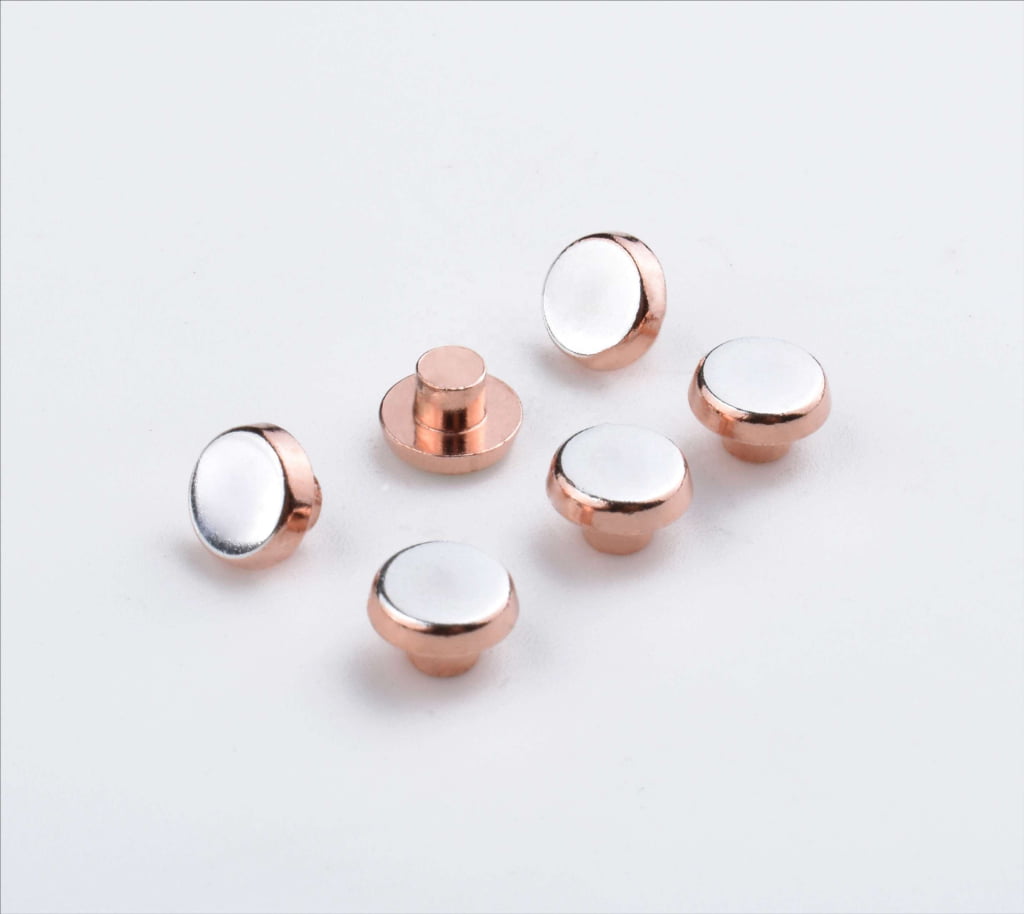
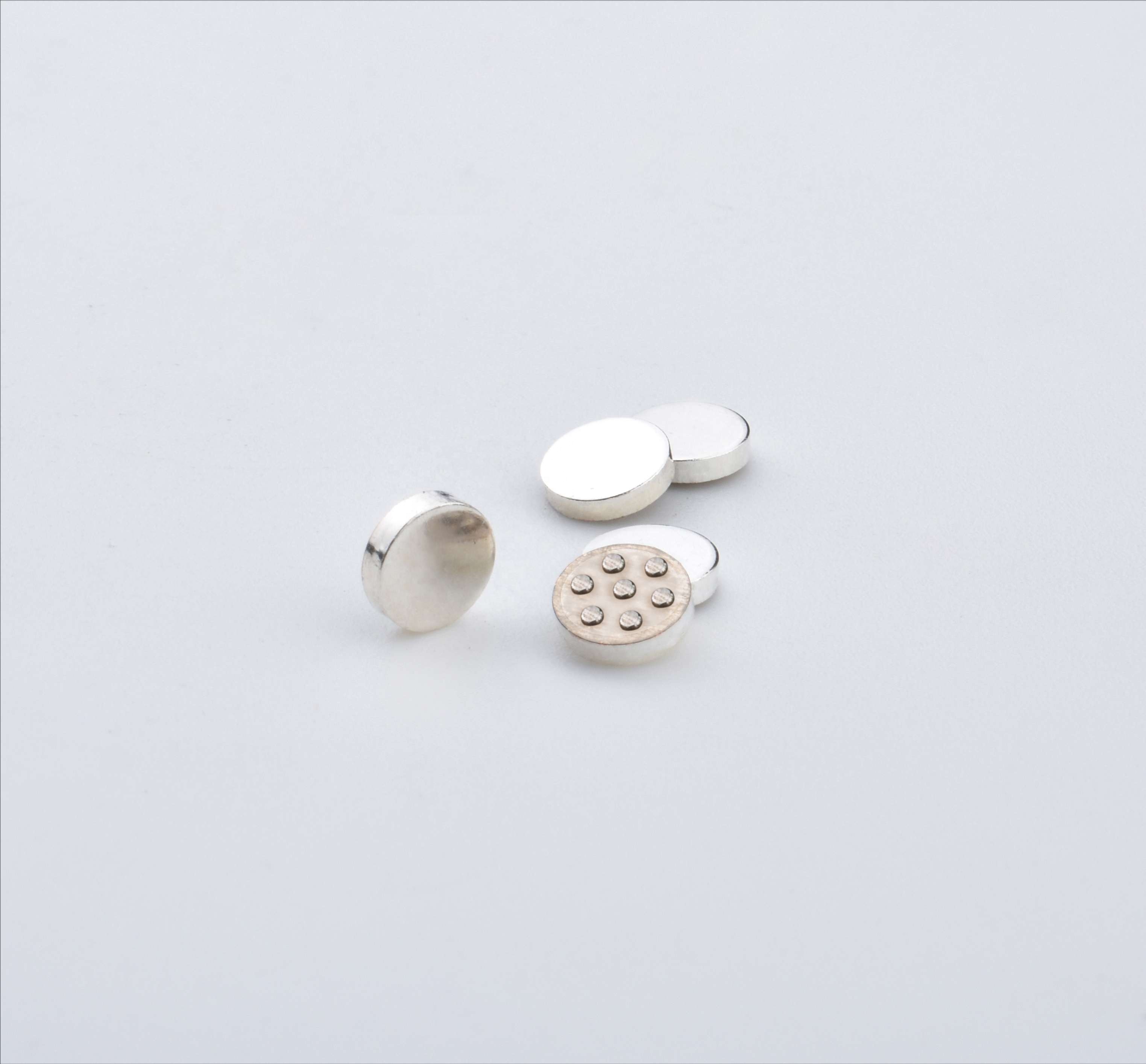
For applications requiring high corrosion resistance, Silver-Nickel (AgNi) alloys are often preferred over pure silver. The addition of nickel improves the material’s mechanical strength and resistance to chemical attack. For signal-level switches, gold-plated silver rivets provide the ultimate protection. Gold is chemically inert and will not oxidize or corrode, ensuring a clean electrical path even in the presence of aggressive sanitizers. At Contactrivets, we offer specialized gold-plating and alloy compositions designed specifically for the food industry.
Designing for IP69K Compliance
While the contact material is critical, it must be supported by a robust enclosure design. Food-grade switches are often required to meet the IP69K rating, which signifies protection against high-pressure (1450 psi) and high-temperature (80°C) water. The internal contact rivets must be precisely manufactured and seated to ensure they do not interfere with the switch’s sealing mechanisms. Our automated cold-heading process provides the dimensional consistency required for high-integrity sealed switches.
Food Safety and Material Compliance
Materials used in food processing equipment must also comply with safety standards like FDA and NSF/ANSI. While the electrical contacts are typically internal to the device, they must be part of an overall design that prevents any potential contamination. Using RoHS-compliant materials like AgSnO2 ensures that no harmful substances like cadmium are present in the equipment, providing peace of mind for both the manufacturer and the consumer.
Conclusion
In the food industry, reliability and hygiene go hand-in-hand. Food-grade switch contacts are the silent enablers of modern automated food processing. By selecting corrosion-resistant silver alloys and designing for high-pressure washdowns, engineers can ensure their equipment delivers peak performance in the most demanding environments. Contact Contactrivets today for a technical consultation on your food-grade control projects and learn how our advanced contact solutions can protect your uptime.