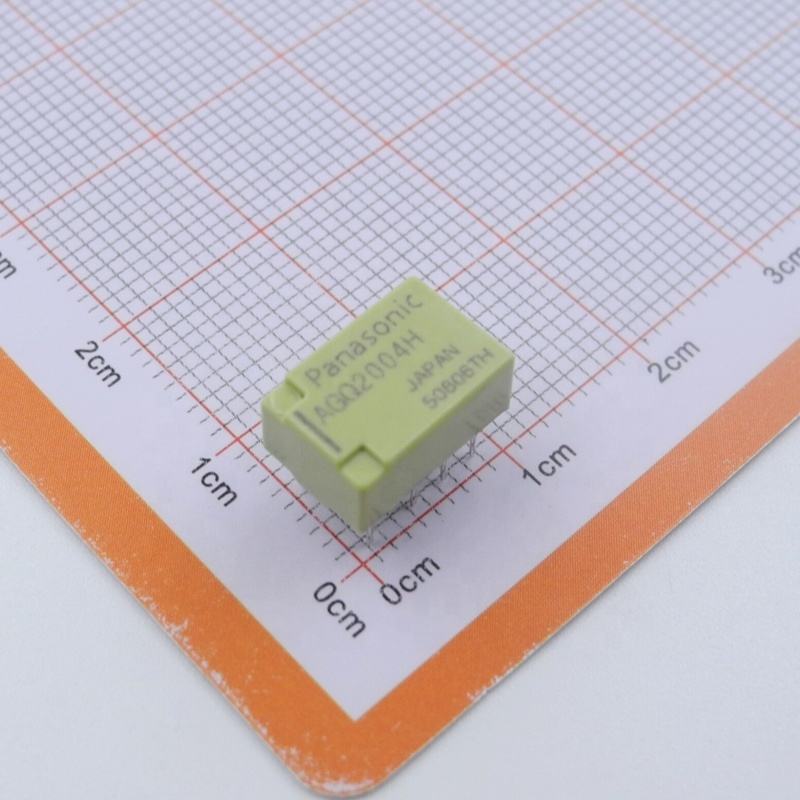
In the high-stakes world of data communications, signal stability is paramount. From high-speed routers to data center switches, the integrity of the physical contact interface is the foundation of reliable data transfer. Silver Palladium (AgPd) alloys have emerged as the premier choice for signal-level switching, offering a unique combination of electrical performance and chemical resistance that standard silver alloys cannot match.
Overcoming the Weakness of Pure Silver
While pure silver has the highest electrical conductivity of any metal, it is highly susceptible to sulfurization. In environments with even trace amounts of hydrogen sulfide (H2S), silver forms a black layer of silver sulfide (Ag2S). This layer is an insulator, and at the low voltages used in signal switching, the circuit may not have enough energy to “punch through” this film, leading to intermittent failures or high bit error rates. Adding palladium to the silver significantly improves its resistance to this phenomenon.
The Metallurgy of AgPd Alloys
AgPd is a solid-solution alloy. As the palladium content increases (typically from 30% to 60%), the alloy’s chemical stability improves dramatically. While palladium is less conductive than silver, the resulting alloy still maintains a % IACS sufficient for signal-level currents. More importantly, the contact resistance remains stable over time, even in polluted urban or industrial environments. This makes AgPd the “set and forget” material for mission-critical telecom and data center hardware.
Performance in “Dry Circuit” Conditions
Data communication switching often occurs under dry circuit conditions, where the voltage and current are too low to cause any arcing or melting at the contact interface. In these cases, there is no mechanical or thermal “cleaning” of the contact surface. The material must remain clean through its own chemical inertness. AgPd, often combined with a thin gold flash or gold-plating, provides a reliable solution that prevents the accumulation of polymer films or other contaminants that can plague lesser materials.
Manufacturing Precision: AgPd Bimetal Rivets
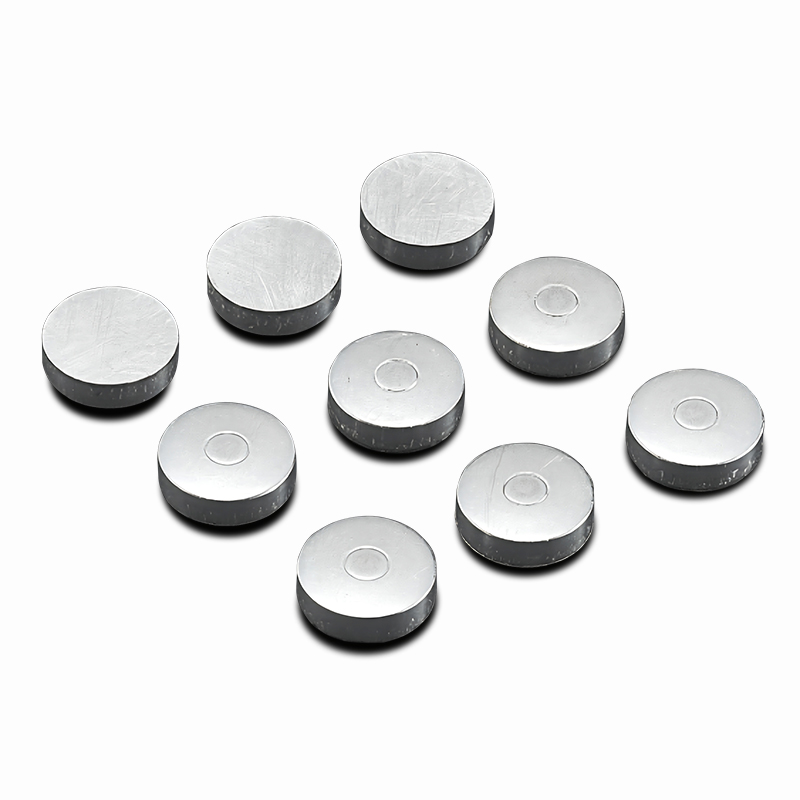
Palladium is a precious metal, making solid AgPd contacts expensive. To optimize costs without sacrificing performance, bimetal rivets are the industry standard. A precision-engineered AgPd layer is bonded to a copper or nickel shank. The quality of the interface is critical; any diffusion or contamination during the bonding process can affect the surface properties. At Contactrivets, we use advanced cold-heading and rolling techniques to ensure the AgPd layer is uniform and free of defects.
Conclusion
As data rates continue to climb, the margin for error in physical signal paths becomes thinner. Silver Palladium alloys provide the chemical stability and electrical reliability required for the next generation of data communication infrastructure. By choosing the right AgPd composition and leveraging advanced bimetal manufacturing, engineers can build hardware that stands the test of time. Contact our engineering team for detailed AgPd material specifications and performance data.