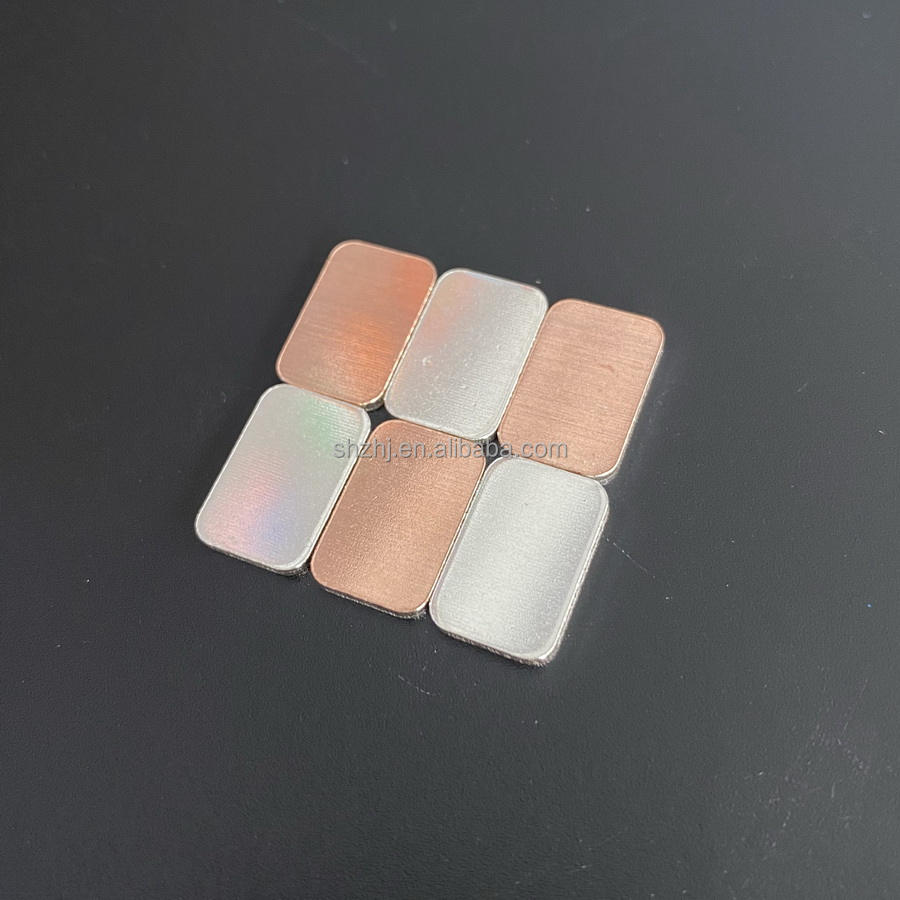
Molded Case Circuit Breakers (MCCBs) are the workhorses of industrial electrical protection. Tasked with interrupting currents that can range from a few hundred to several thousand amperes, MCCBs must withstand extreme thermal and mechanical stresses during fault conditions. The heart of this protection lies in the contact material. Among the most advanced materials for this application is AgWCC—a complex composite of Silver (Ag), Tungsten Carbide (WC), and Graphite (C).

The Compositional Advantage of AgWCC
AgWCC is a multi-phase composite material designed to address the three major failure modes of circuit breaker contacts: overheating, welding, and erosion.
- Silver (Ag): Forms the matrix and provides high electrical and thermal conductivity, ensuring low temperature rise during normal operation.
- Tungsten Carbide (WC): A high-hardness refractory material that provides exceptional resistance to arc erosion and mechanical wear. Unlike pure tungsten, tungsten carbide has a lower oxidation rate at high temperatures.
- Graphite (C): Acts as a solid lubricant and, more importantly, as an anti-welding agent. During an arc, graphite helps to “stanch” the molten metal pool, preventing the contacts from fusing together.
Why Tungsten Carbide?
The inclusion of Tungsten Carbide (WC) instead of metallic Tungsten (W) is a strategic choice for heavy-duty switchgear. WC is significantly harder and has a higher decomposition temperature. In the high-intensity arc environment of an MCCB, WC particles remain solid, providing a “skeleton” that holds the molten silver in place. This prevents the “blowing out” of silver during short-circuit interruptions, preserving the contact’s geometry and prolonging its electrical life.
Technical reviews of AgWCC contacts show that they maintain a more stable contact resistance over thousands of cycles compared to AgW (Silver Tungsten). The WC phase is less prone to forming thick, insulating oxide layers, which is a common problem with traditional refractory composites.
The Critical Role of Graphite in Anti-Welding
In the context of MCCBs, “welding” is a constant threat, especially during “make” operations onto a short circuit. Graphite is the key to preventing this. As the contacts close and an arc forms, the graphite phase sublimes, creating a gas cushion that prevents direct metal-to-metal contact of the molten silver phases. Even if a small weld does form, the presence of graphite makes the weld brittle and easily broken by the breaker’s opening mechanism.
Performance in MCCB Applications
AgWCC is typically used in the “fixed” and “moving” contacts of MCCBs rated for 100A to 800A. In these applications, the material must handle:
- High Breaking Capacity: The ability to interrupt short-circuit currents up to 50kA or more.
- Endurance: Surviving at least 1,000 electrical operations at rated current.
- Low Temperature Rise: Meeting strict UL or IEC standards for terminal temperature.
Comparative testing shows that AgWCC contacts exhibit roughly 30% less material loss per 10kA interruption compared to standard Silver-Tungsten contacts. This directly translates to a more reliable circuit breaker with a longer service interval.
Conclusion
The development of AgWCC represents a significant milestone in contact metallurgy. By combining the best properties of conductors, refractories, and lubricants, AgWCC provides the multi-functional performance required for modern industrial protection. For engineers specifying components for MCCBs and other heavy-duty switchgear, AgWCC offers the best balance of weld resistance, conductivity, and longevity.