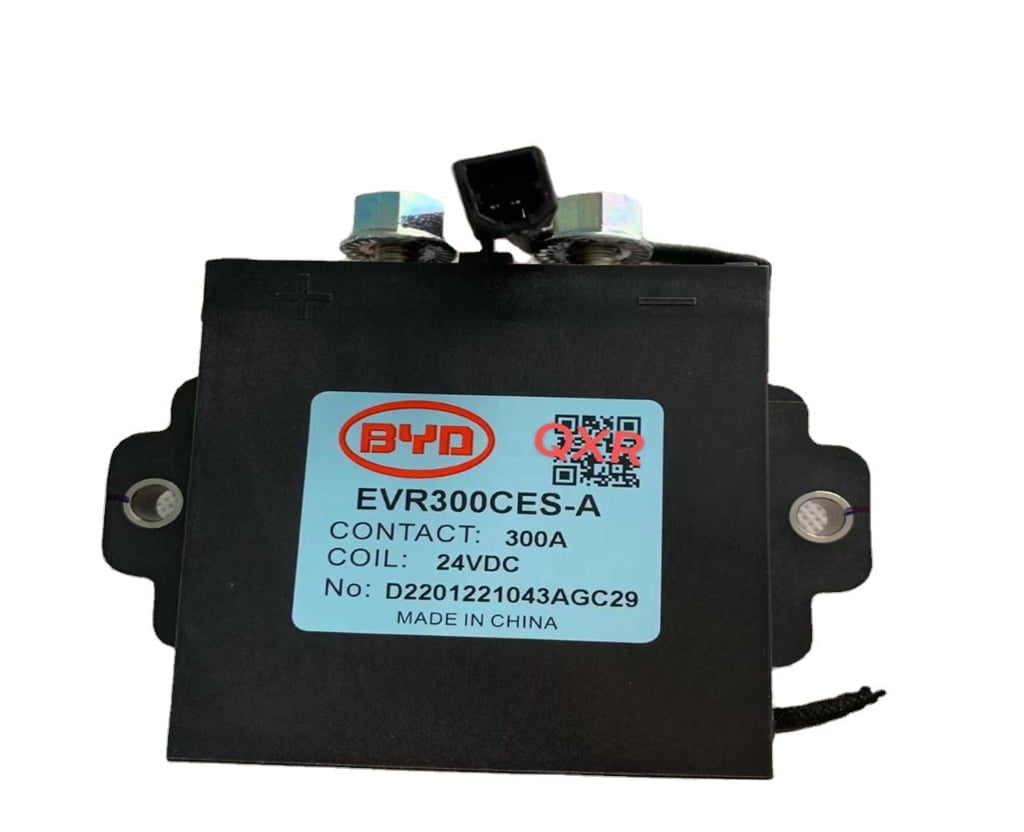
In the realm of high-power electrical engineering, vacuum switches represent the pinnacle of interruption technology. Unlike air-break or oil-immersed switches, vacuum interrupters rely on the dielectric strength of a vacuum to extinguish arcs and isolate circuits. However, the performance of these switches is fundamentally dictated by the material science of their contacts. Among the most critical materials in this field is AgMo (Silver-Molybdenum), a composite that balances the high conductivity of silver with the refractory stability of molybdenum.

The AgMo Composite System: A Technical Overview
AgMo is not a true alloy in the chemical sense but a metal-matrix composite. Silver and molybdenum have almost zero solid solubility in each other, meaning they remain as distinct phases within the material. This immiscibility is precisely what makes AgMo so valuable. Silver provides the necessary low electrical resistance to carry high continuous currents, while molybdenum provides the “backbone”—a high-melting-point (2623°C) structure that resists the intense heat of a vacuum arc.
In high-current applications, pure silver contacts would quickly weld or deform due to the thermal energy of the arc. Molybdenum prevents this by maintaining its mechanical strength at temperatures where silver begins to soften or melt.
Sintering and Interpenetrating Networks
The manufacturing of high-quality AgMo contacts typically involves powder metallurgy. There are two primary routes: liquid phase sintering and infiltration.
In the infiltration process, a porous molybdenum “skeleton” is first pressed and sintered. Then, molten silver is drawn into the pores of this skeleton through capillary action. This results in an “interpenetrating network” where both the silver and molybdenum phases are continuous throughout the volume of the contact.
This microstructure is superior to a simple blended powder mix because it ensures that there is always a continuous path for electrical current (through the silver) and a continuous structural support (through the molybdenum). At Contactrivets, our AgMo composites are engineered to achieve densities exceeding 98% of the theoretical maximum, which is crucial for minimizing internal arcing and gas release in a vacuum environment.
Material Transfer and Stability Under High Current
One of the most significant challenges in DC vacuum switching is “material transfer”—the migration of metal from one contact to another during arcing. Over time, this creates “pips” and “craters,” which eventually lead to mechanical interference or dielectric failure.
AgMo is uniquely resistant to this phenomenon. The molybdenum phase acts as a “dam,” preventing the liquid silver from flowing excessively during the micro-seconds of arc duration. Furthermore, molybdenum has a relatively low vapor pressure compared to other refractory metals like tungsten, which helps in maintaining the vacuum integrity over millions of switching cycles.
Vacuum Quenching and Arc Performance
In a vacuum interrupter, the arc is composed of metal vapor released from the contacts. For a successful interruption, this vapor must condense quickly as the current passes through zero.
The AgMo system excels here because of its thermal management. Molybdenum’s high thermal conductivity (though lower than silver’s) helps pull heat away from the “hot spots” on the surface, facilitating rapid cooling and deionization of the arc gap. This rapid “quenching” is what allows vacuum switches to handle massive currents in a compact physical footprint.
Conclusion
The metallurgy of AgMo is a study in the balance of opposites. By combining a “soft” conductor with a “hard” refractory metal, engineers have created a material that makes modern high-current vacuum switching possible. As we move toward more decentralized and DC-heavy power grids, the role of AgMo in ensuring system stability and reliability will only become more prominent.