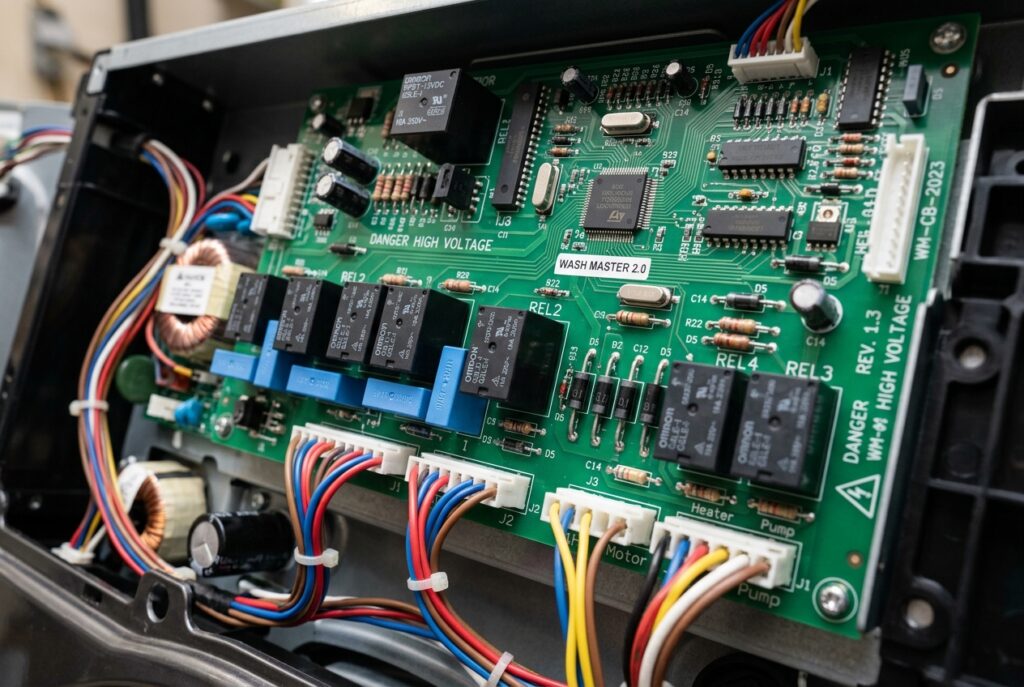
Household appliances like washing machines, air conditioners, and refrigerators rely on relays to control motors, compressors, and heating elements. Historically, Silver Cadmium Oxide (AgCdO) was the standard contact material for these applications. However, due to environmental regulations (RoHS), manufacturers have transitioned to safer alternatives. Among these, Silver Zinc Oxide (AgZnO) has emerged as a top contender, offering a unique balance of anti-welding properties, erosion resistance, and cost-efficiency.
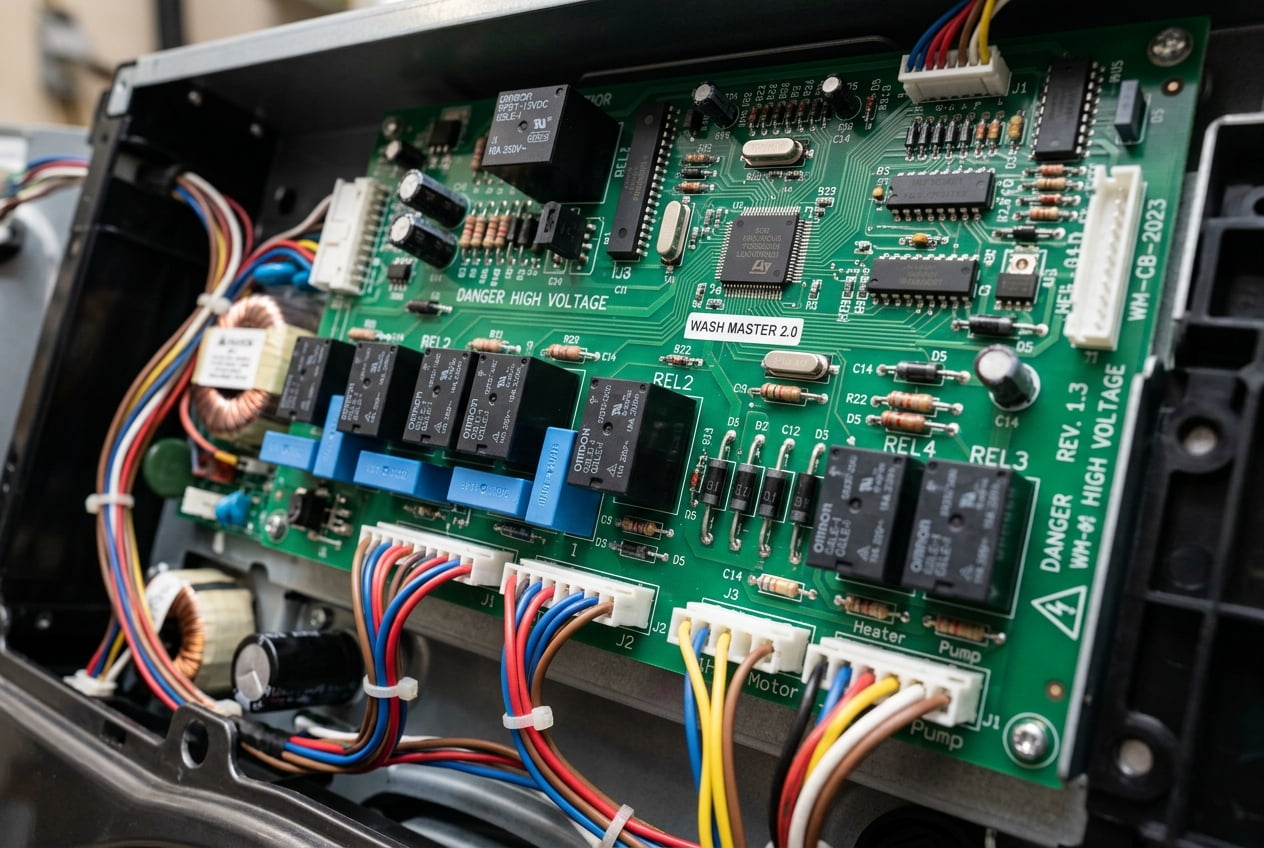
Why AgZnO for Appliances?
Household appliances present a challenging environment for electrical contacts. They often involve high inrush currents—such as the startup of a compressor in an air conditioner or the motor of a washing machine—which can be 5 to 10 times the steady-state current. These inrush currents are the primary cause of contact welding.
AgZnO is particularly effective in resisting welds under these conditions. Zinc oxide (ZnO) has a high sublimation temperature and does not melt easily. When an arc occurs, the ZnO particles remain solid, acting as “stoppers” that prevent the molten silver from fusing the two contacts together. This makes AgZnO superior to Silver Nickel (AgNi) in handling high-current AC loads.
Performance in AC Switching
In AC circuits, the current passes through zero twice every cycle. This natural zero-crossing helps extinguish the arc. However, the contact material must still withstand the heat generated during the arcing period.
AgZnO-based contacts exhibit excellent thermal stability. The microstructure of AgZnO, typically produced through powder metallurgy or internal oxidation, ensures that the oxide particles are finely dispersed. This fine dispersion helps maintain a stable contact resistance over thousands of cycles. In washing machine relays, where the motor reverses direction frequently, the ability of AgZnO to maintain low resistance is critical to preventing overheating of the relay housing.
Material Transfer and Wear Resistance
While AgZnO is primarily used for AC loads, its wear resistance is also noteworthy. In appliance relays, the mechanical wear from thousands of operations can be as significant as electrical erosion. The hardness provided by the zinc oxide particles improves the mechanical durability of the contact surface.
Compared to AgSnO2 (Silver Tin Oxide), AgZnO is often more cost-effective for medium-power appliance applications. While AgSnO2 is the “gold standard” for the highest power levels, AgZnO provides sufficient performance for the 10A to 30A range typical of household appliances, allowing manufacturers to optimize their bill of materials without sacrificing reliability.
Weld Resistance in Inrush Scenarios
The most critical test for an appliance relay is the “stuck” or welded contact. A welded contact in a heater can lead to safety hazards, while a welded compressor relay can damage the appliance’s motor. AgZnO’s high weld-break strength is its greatest asset. Even if a micro-weld occurs during a particularly severe inrush, the brittle nature of the zinc oxide within the silver matrix ensures that the weld is easily broken by the relay’s internal spring force.
Conclusion
Silver Zinc Oxide (AgZnO) represents the ideal “middle ground” for the household appliance industry. It provides the necessary weld resistance for high inrush loads and the thermal stability for continuous operation, all while remaining more economical than premium tin oxide alternatives. As appliance designs become more compact and energy-efficient, the reliability of AgZnO contacts remains a cornerstone of modern domestic engineering.