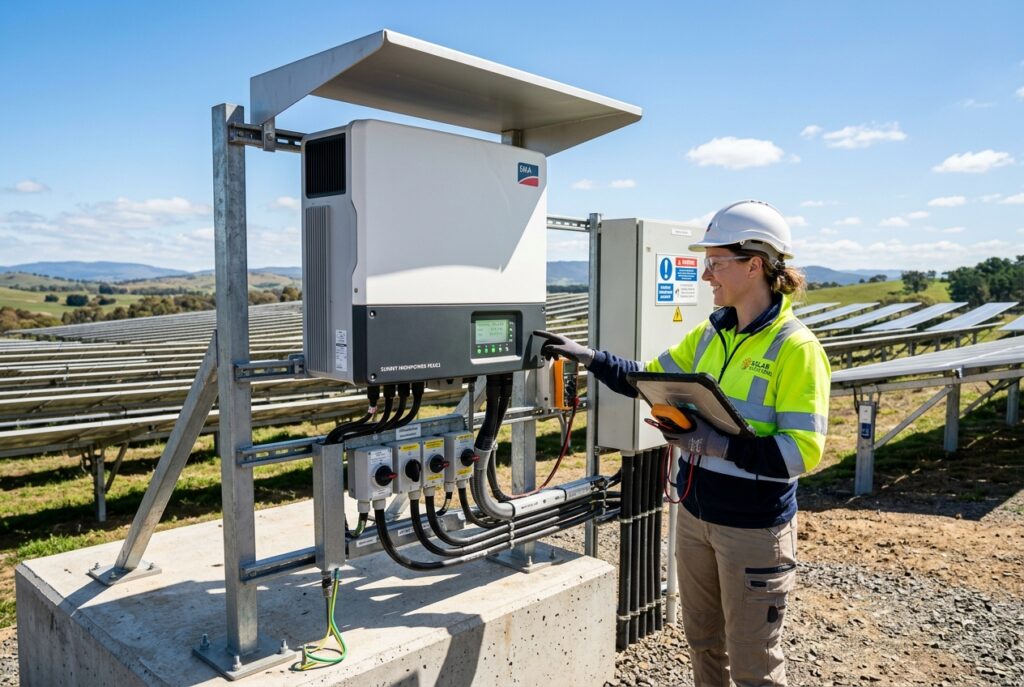
Photovoltaic (PV) inverters are the heart of solar energy systems, responsible for converting the direct current (DC) generated by solar panels into grid-compliant alternating current (AC). Within these sophisticated devices, relays play a critical role in safety and grid synchronization. They act as the physical disconnect between the inverter and the utility grid, ensuring that the system can safely isolate itself during faults or maintenance. However, as power densities increase and grid requirements become more stringent, these relays are subjected to extreme electrical and thermal stresses. Understanding the common failure modes in PV inverter relays is essential for designing reliable, long-lasting renewable energy systems.
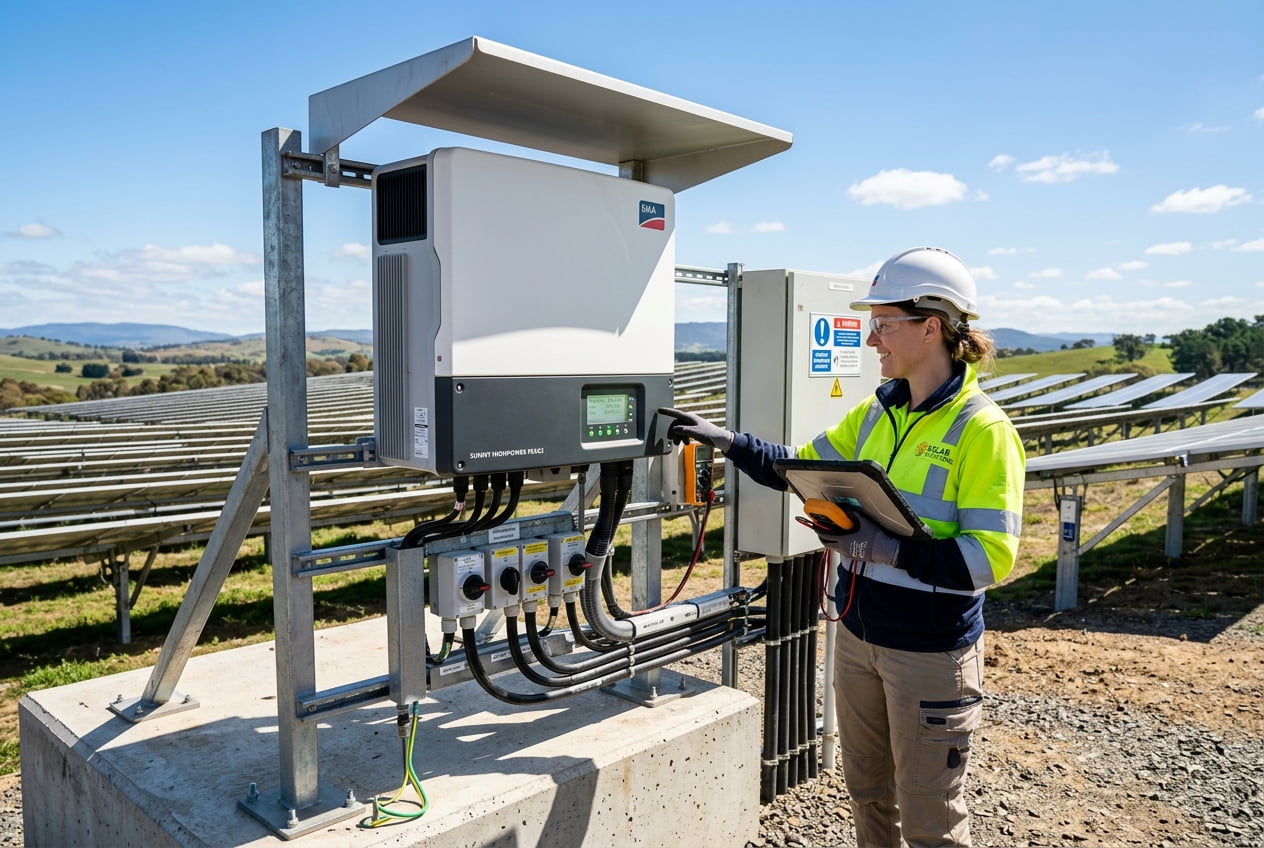
The Critical Role of Relays in Solar Inverters
Relays in PV inverters primarily serve two functions: grid connection and safety isolation. According to international standards like IEC 62109 and VDE-AR-N 4105, inverters must have at least two independent disconnection devices in series. One of these is typically a mechanical relay. These components must be able to switch high DC and AC currents while maintaining low contact resistance over thousands of cycles. When a relay fails, it can lead to system downtime, reduced efficiency, or even catastrophic fire hazards.
Common Failure Mode 1: Contact Welding
Contact welding is perhaps the most prevalent failure mode in high-power relays. It occurs when the heat generated at the contact interface during switching or while carrying high current causes the metal (usually silver alloys) to melt and fuse together.
Causes of Welding in PV Systems
1. Inrush Currents: During startup, capacitors in the inverter or the grid can cause massive spikes in current. if the relay contacts bounce during this period, an arc is formed, melting the surface and welding the contacts upon closing.
2. Short-Circuit Events: A fault on either the DC or AC side can force the relay to carry current far beyond its rated capacity, leading to rapid thermal runaway.
3. Contact Bounce: Mechanical vibration during closing can cause the contacts to separate and re-close repeatedly. Each bounce creates a micro-arc that softens the contact material.
Prevention Strategies
To prevent welding, engineers often specify AgSnO2 (Silver Tin Oxide) contact materials, which exhibit excellent anti-welding properties compared to traditional silver-cadmium alloys. Additionally, implementing “zero-cross switching” (switching when the AC voltage is at zero) significantly reduces the energy of the switching event.
Common Failure Mode 2: Contact Erosion and Arcing
Electrical discharge machining (EDM) is a useful process for metalworking, but in a relay, unintended “machining” of the contacts via arcing is a disaster. Contact erosion occurs when atoms are moved from one contact to another (or into the air) during switching.
The Challenge of DC Switching
Switching DC is inherently more difficult than AC because there is no natural zero-crossing to extinguish the arc. In PV inverters, the DC voltage can be as high as 1000V or 1500V. If a relay is forced to break such a load without proper management, the resulting arc can persist, burning through the contact material and destroying the relay housing.
Prevention and Mitigation
1. Arc Suppression Circuits: Using snubber circuits (RC networks) or varistors can help absorb the energy of the arc.
2. Magnetic Blowouts: Small permanent magnets can be placed near the contacts to “blow” the arc away, lengthening it until it reaches a critical breaking point and extinguishes.
3. Optimized Contact Gap: Increasing the distance between open contacts ensures that the arc cannot bridge the gap once broken.
Environmental and Thermal Factors
PV inverters are often installed in harsh environments—roofs, deserts, or coastal areas. High ambient temperatures accelerate the oxidation of contact surfaces, increasing resistance and generating more heat. This “heat-resistance-heat” cycle eventually leads to relay failure.
Thermal Management
Ensuring adequate airflow and using heatsinks can keep the relay operating within its specified temperature range. In high-humidity environments, using hermetically sealed or “wash-tight” relays prevents the ingress of moisture and pollutants that cause corrosion.
Conclusion: Designing for Longevity
As the solar industry continues to push for higher voltages and currents, the demands on relay technology will only grow. Preventing failure in PV inverter relays requires a holistic approach: choosing the right materials like AgSnO2, implementing smart switching control algorithms, and ensuring robust thermal management. By addressing contact welding and erosion at the design stage, manufacturers can ensure that solar systems remain a safe and reliable source of clean energy for decades to come.