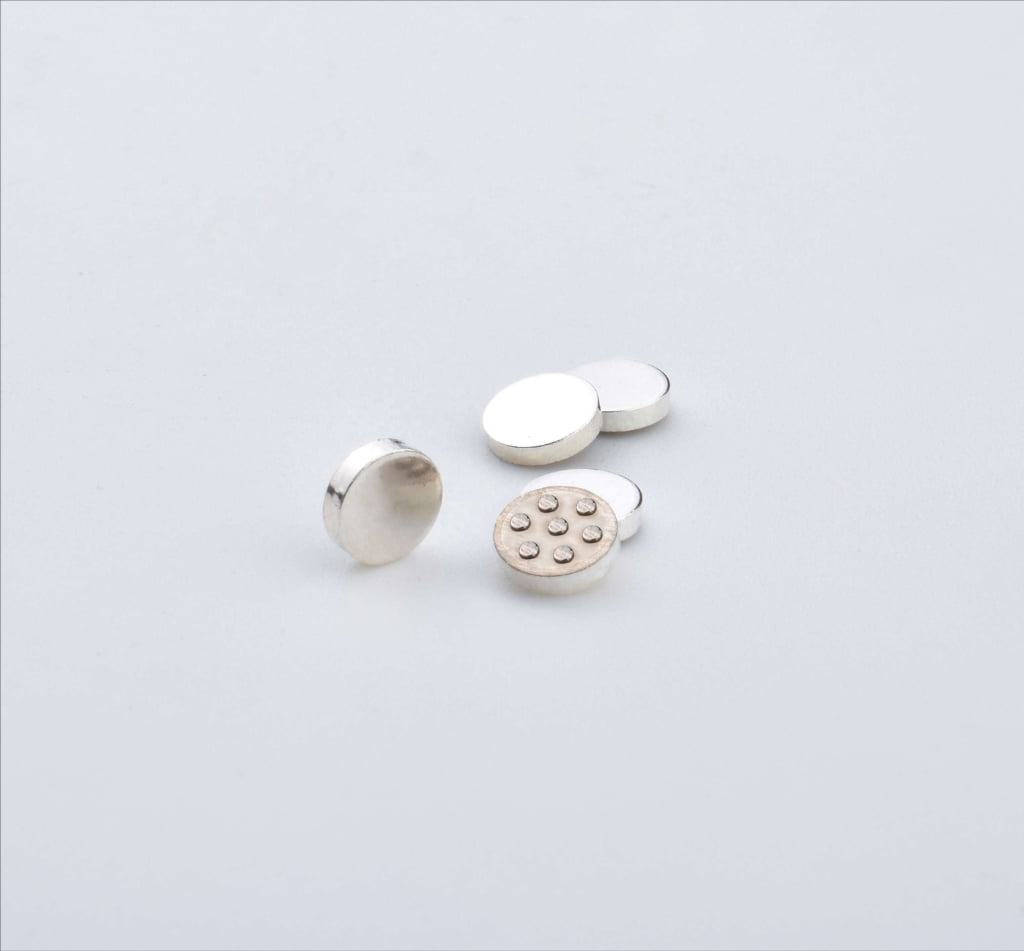
Silver Tin Oxide (AgSnO2) is the industry-leading material for high-performance electrical contacts, but not all AgSnO2 is created equal. The manufacturing process—either Internal Oxidation or Powder Metallurgy (PM)—significantly influences the material’s microstructure and, consequently, its performance in the field. For engineers and sourcing professionals, understanding these differences is key to choosing the right contact for the application.
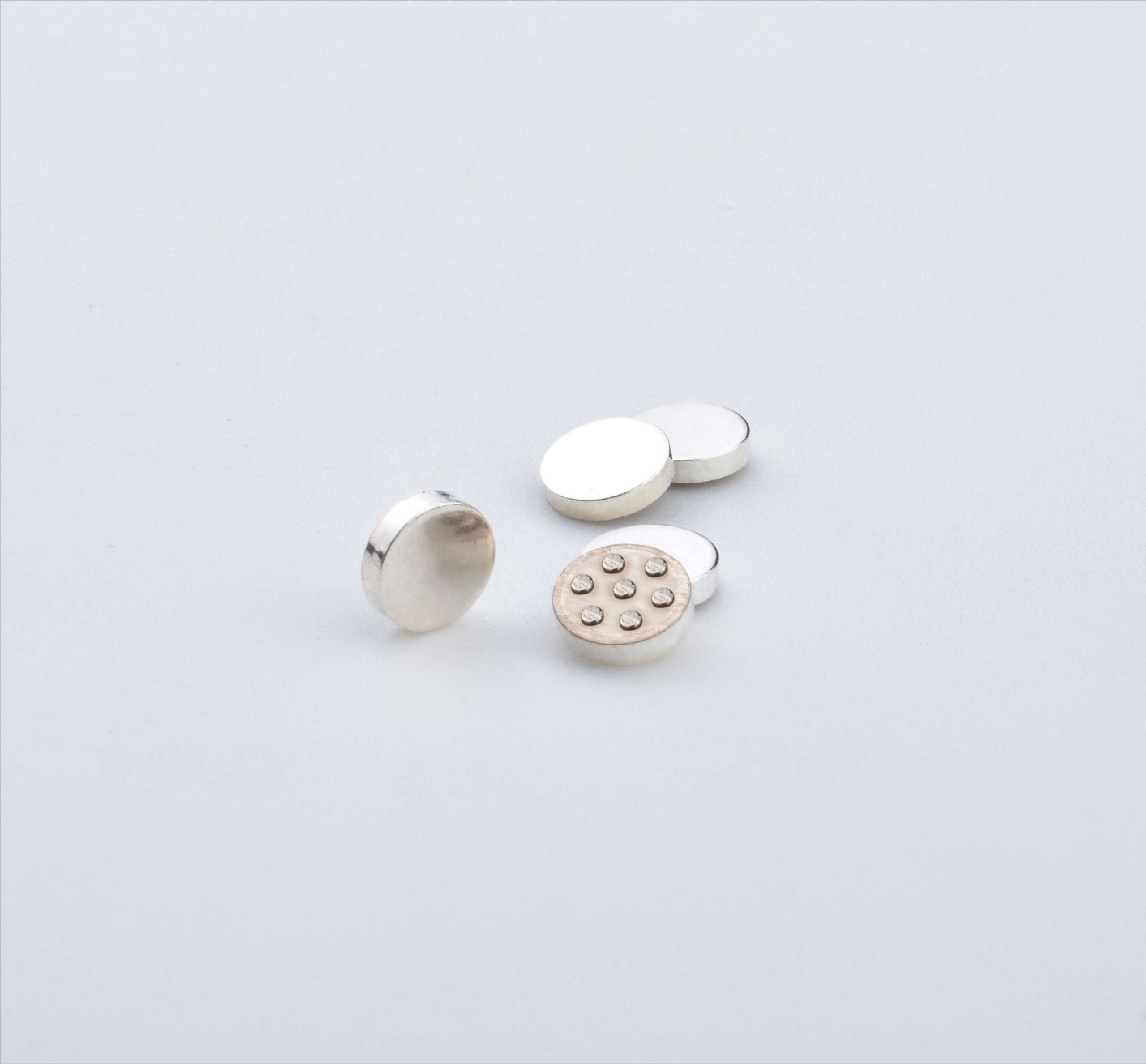
The Internal Oxidation Process
Internal oxidation involves melting a silver-tin alloy and then subjecting it to an oxygen-rich environment at high temperatures. The oxygen diffuses into the alloy, reacting with the tin to form tin oxide particles within the silver matrix. This process produces very clean, highly bonded interfaces between the silver and the oxide. However, it can lead to a “gradient” effect, where the oxide concentration is higher at the surface than in the core. For contact rivets, this can result in changing performance as the material wears down.
Powder Metallurgy (PM): Precision and Flexibility
Powder metallurgy involves mixing pure silver powder with tin oxide powder, which is then compacted and sintered. This process offers total control over the oxide concentration and allows for the easy addition of dopants like Indium Oxide or Tungsten Carbide to enhance arc quenching or weld resistance. PM-processed AgSnO2 typically has a very uniform microstructure from the surface to the core, ensuring consistent performance throughout the contact’s life. At Contactrivets, our PM process is optimized for maximum density and metallurgical integrity.
Performance Comparison: Arc Erosion and Welding
When it comes to arc erosion resistance, both processes have their strengths. Internal oxidation materials often exhibit lower initial contact resistance due to their higher purity. However, PM-processed materials often show better anti-welding performance under high inrush currents because of the uniform distribution of the oxide skeleton. For DC applications in EV chargers and BESS, PM AgSnO2 is often the preferred choice due to its stability under heavy material transfer conditions.
Dopant Engineering and Customization
One of the biggest advantages of the PM process is the ability to engineer the material’s properties through doping. By adding trace amounts of specialized oxides, we can refine the grain structure, improve thermal conductivity, or increase the material’s hardness. This level of customization is difficult to achieve with internal oxidation. For specialized applications like aerospace or high-speed rail, PM allows us to tailor the material to meet exact performance targets.
Conclusion
Choosing between internal oxidation and powder metallurgy is not a matter of which is better, but which is better *for your application*. Whether you need the high purity of internally oxidized silver or the uniform, doped performance of powder metallurgy, Contactrivets has the manufacturing expertise to deliver. Contact our technical team today to discuss your specific requirements and get a detailed comparison of our AgSnO2 material grades.