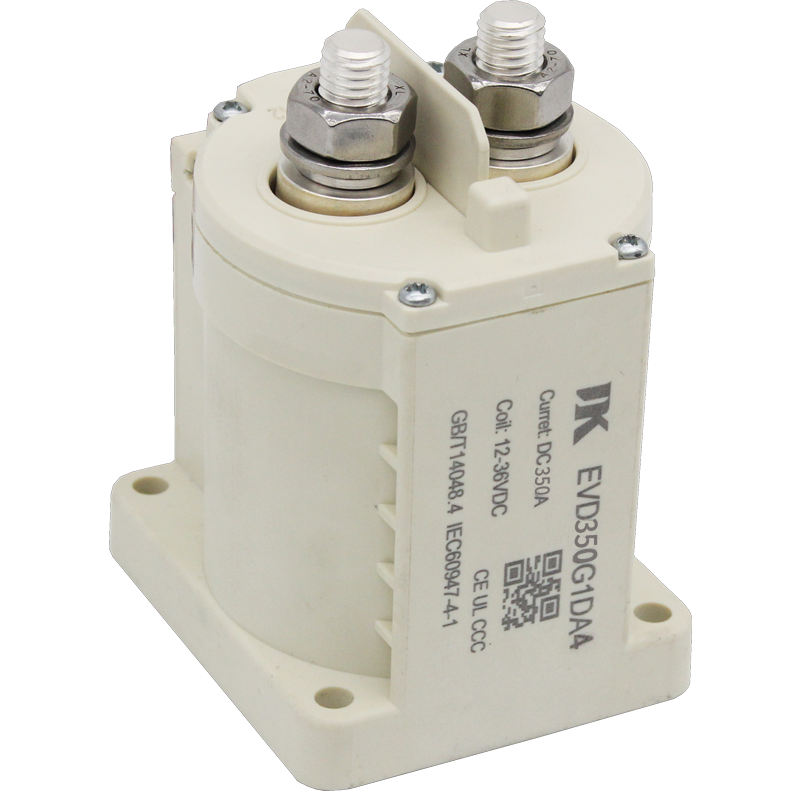
For decades, Silver Cadmium Oxide (AgCdO) was hailed as the ‘universal’ contact material for high-power switching applications. Its unique combination of low contact resistance and excellent anti-welding properties made it the standard for everything from household thermostats to industrial circuit breakers. However, as legacy power grids reach the end of their design life, forensic engineering and failure analysis of AgCdO contacts have revealed critical insights into the long-term degradation mechanisms of these materials. While environmental regulations like RoHS have phased out cadmium in modern systems, the lessons learned from analyzing failed AgCdO components remain vital for the engineering of contemporary silver-metal oxide alternatives.
The Dominance of AgCdO in Power Systems
The success of AgCdO was primarily due to the behavior of cadmium oxide (CdO) under an electric arc. When an arc is struck, CdO sublimes, providing a cooling effect and creating a self-cleaning surface that prevents the silver from welding. This property allowed AgCdO contacts to survive thousands of cycles in high-inductive loads. In legacy grids, these contacts are often found in transformers, tap changers, and heavy-duty motor starters.

Identifying Common Failure Modes
Failure analysis of legacy AgCdO contacts typically identifies three primary degradation patterns: arc erosion, material transfer, and terminal welding.
Arc Erosion and Depletion
Repeated arcing causes the gradual depletion of the CdO particles from the silver matrix. Over time, the surface layer becomes ‘impoverished,’ leaving behind a layer of nearly pure silver. Without the anti-welding influence of CdO, the contact resistance increases, and the risk of catastrophic welding during a short-circuit event becomes imminent.
Material Transfer: The ‘Pip and Crater’ Phenomenon
In DC power distribution or asymmetrical AC loads, AgCdO exhibits significant material transfer. Silver and cadmium ions migrate from the anode to the cathode (or vice versa depending on the arc type), creating a ‘pip’ on one contact and a ‘crater’ on the other. Eventually, the mechanical interlocking of these two features prevents the relay or switch from opening, leading to a ‘stuck’ circuit.
Contact Welding and Surface Passivation
In some cases, the sublimation of CdO leads to the formation of a cadmium-rich slag on the periphery of the contact. This slag can become non-conductive, forcing the current through a smaller and smaller area, which eventually leads to localized overheating and welding of the silver contacts.
Case Study: Analyzing a Failed 600V Industrial Breaker
A recent analysis of an AgCdO 90/10 contact from a 25-year-old 600V breaker revealed that the primary cause of failure was the formation of a ‘silver-rich’ surface zone. Scanning Electron Microscopy (SEM) showed that the cadmium oxide particles had migrated away from the hot spots, allowing the silver to melt and bridge across the gap. This failure highlights the importance of maintaining a uniform dispersion of metal oxides within the silver matrix—a lesson that has been directly applied to the manufacturing of modern AgSnO2 contacts.
Lessons for Modern Systems: Transitioning to AgSnO2
The failure of legacy AgCdO systems has accelerated the refinement of Silver Tin Oxide (AgSnO2) technology. AgSnO2 offers superior thermal stability and higher hardness compared to AgCdO. By studying how AgCdO fails, engineers have been able to optimize the doping of AgSnO2 with additives like Indium or Bismuth to achieve the same cooling effects once provided by cadmium, without the environmental toxicity.
Conclusion: Forensic Engineering Drives Innovation
The failure analysis of AgCdO contacts in legacy grids is not merely an academic exercise; it is a critical tool for improving the reliability of the modern electrical infrastructure. By understanding the metallurgical pitfalls of the past, manufacturers can produce more robust, environmentally friendly contacts that are better equipped to handle the high-current loads of today’s renewable energy and industrial systems. As we phase out the old, we must carry the technical lessons forward into the next generation of electrical contact technology.