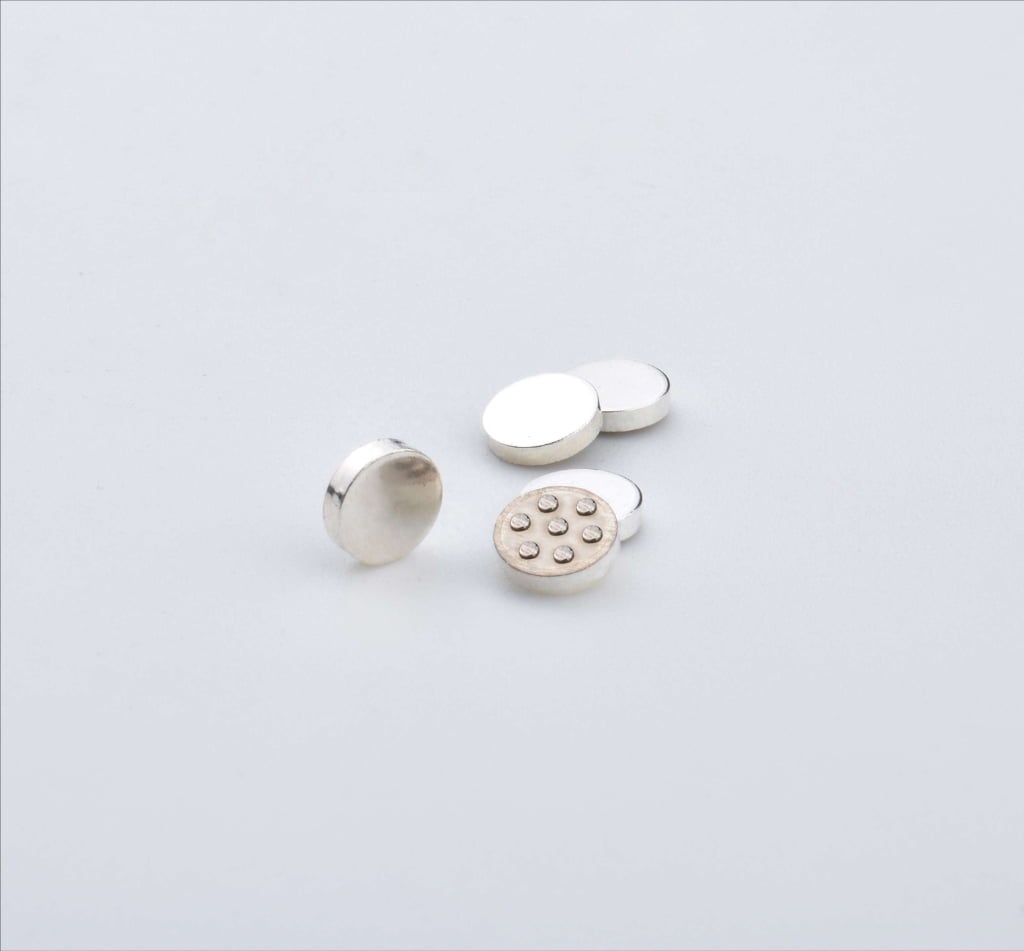
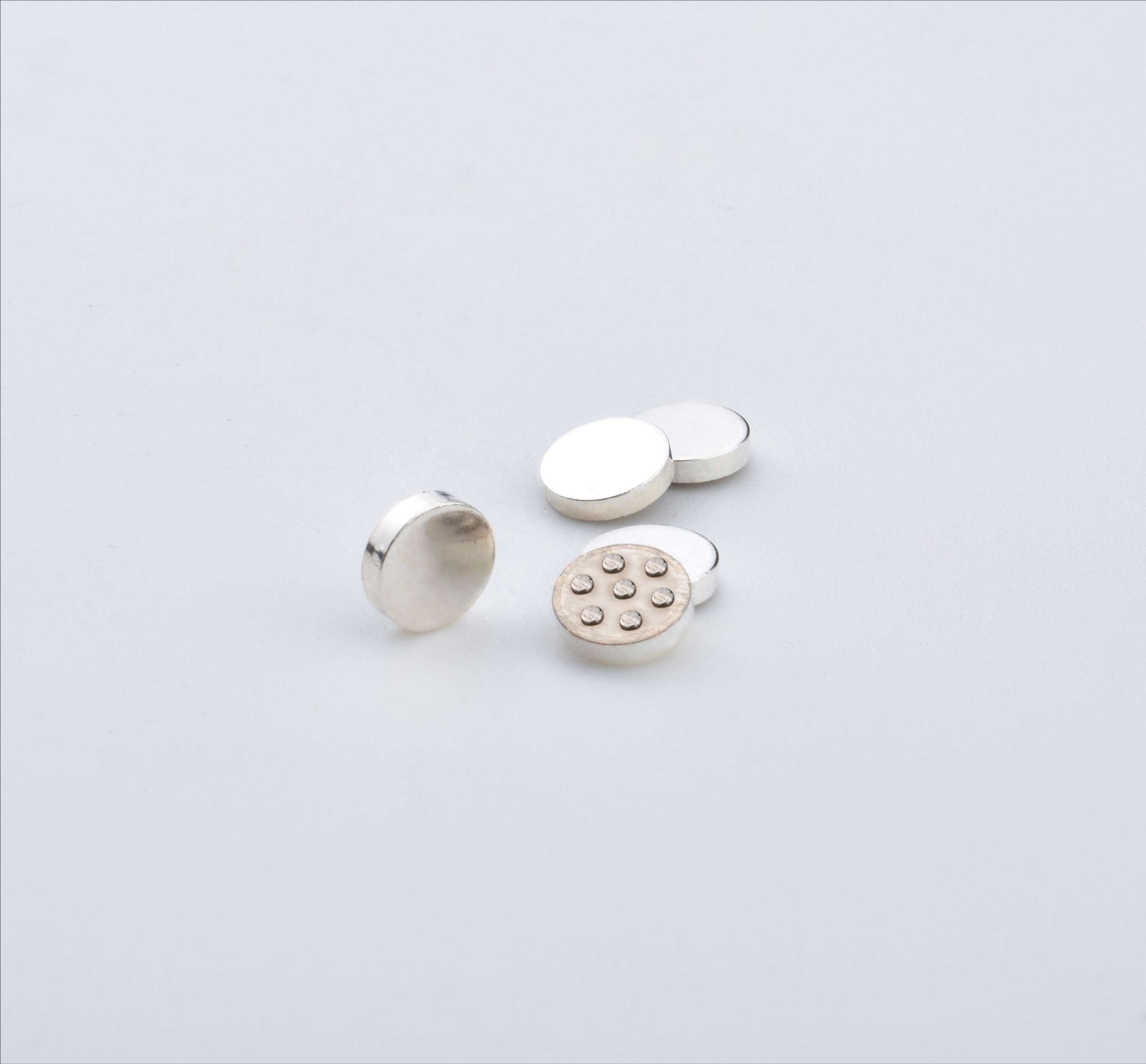
As the demand for precious and refractory metals grows, the concept of a circular economy in the electronics industry has moved from theory to necessity. Silver and tungsten are critical components of high-performance electrical contacts, but their extraction carries significant environmental and economic costs. Recycling these materials from end-of-life industrial components is a vital strategy for ensuring a sustainable supply chain while reducing the environmental footprint of modern infrastructure.
The Value of Reclaiming Silver
Silver is not only a high-performance conductor but also a precious metal with significant market value. In industrial contacts, silver is often used in nearly pure form or as a major component of alloys like AgSnO2. The recycling process involves chemical leaching and electrolytic refining, which can recover silver with a purity of 99.9% or higher. This “secondary silver” is metallurgically identical to virgin silver and can be used in the manufacture of new contact rivets without any loss in electrical performance or reliability.
Tungsten Recovery: A Refractory Challenge
Tungsten, used in Silver Tungsten (AgW) and Silver Tungsten Carbide (AgWC) contacts, is a critical raw material with limited global sources. Recovering tungsten from scrap contacts is more complex due to its high melting point and chemical stability. However, advanced hydrometallurgical processes allow for the separation of tungsten from the silver matrix. The reclaimed tungsten can be re-processed into high-purity tungsten powder, ready for the infiltration process used to create new high-performance short-circuit protection components.
The Benefits of Reclaimed Materials
Utilizing recycled silver and tungsten offers several advantages for manufacturers and the planet:
- Reduced Environmental Impact: Recycling requires significantly less energy than primary mining and prevents hazardous waste from entering landfills.
- Supply Chain Stability: Reclaimed materials provide a buffer against price volatility and geopolitical risks associated with primary metal markets.
- Enhanced ESG Profile: Demonstrating the use of recycled materials helps companies meet their Environmental, Social, and Governance (ESG) goals and appeal to eco-conscious customers.
Integrating Recycling into Manufacturing
At Contactrivets, we actively participate in closed-loop recycling programs. We work with our customers to reclaim scrap contacts and integrate reclaimed metals back into our powder metallurgy processes. This not only reduces costs but ensures that we are doing our part to promote a circular economy. We provide full traceability for our recycled materials, ensuring they meet the same rigorous quality control standards as our virgin-source products.
Conclusion
Recycling is no longer just an environmental initiative; it is a core business strategy for the 21st century. By reclaiming silver and tungsten from end-of-life industrial contacts, we can build a more resilient and sustainable electrical industry. Whether you are looking to reduce your environmental impact or stabilize your supply chain, Contactrivets’s recycling-integrated manufacturing solutions can help. Contact us to learn more about how we can help you close the loop in your contact sourcing.