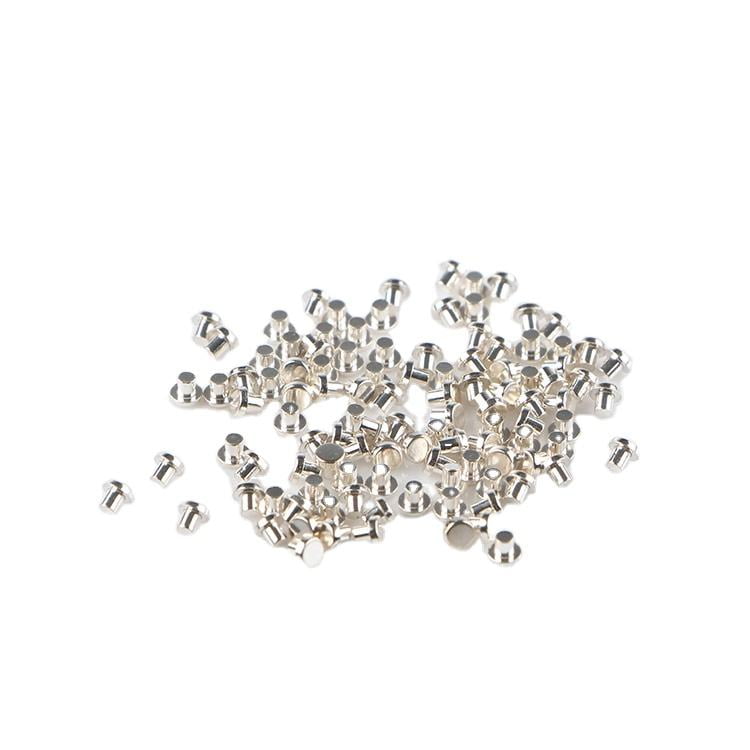
The global electrical industry is undergoing a significant transition as environmental regulations become increasingly stringent. One of the most impactful changes is the RoHS 3 (2011/65/EU and 2015/863) compliance requirement, which has accelerated the phase-out of Silver Cadmium Oxide (AgCdO). For decades, AgCdO was the gold standard for its anti-welding and arc-quenching properties, but its toxicity has made it a target for elimination in the interest of public health and environmental safety.
The Regulatory Landscape: Why AgCdO is Retiring
Cadmium is a heavy metal that poses significant health risks during both the manufacturing process and at the end of a product’s life. While initial RoHS exemptions allowed for the use of AgCdO in specific electrical contact applications, these exemptions are being systematically reduced. Manufacturers must now demonstrate that no viable alternative exists or transition to compliant materials. This shift is not just a regulatory hurdle; it’s a move toward a more sustainable and ethical electronics industry.
AgSnO2: The Premier RoHS-Compliant Alternative
For most applications where AgCdO was once dominant, Silver Tin Oxide (AgSnO2) has emerged as the superior RoHS-compliant alternative. In fact, for many high-power DC applications in EV charging and industrial automation, AgSnO2 actually outperforms AgCdO in terms of arc erosion resistance and thermal stability. By leveraging powder metallurgy and specialized dopants, we have engineered AgSnO2 grades that match or exceed the electrical life of traditional cadmium-based contacts while remaining fully compliant with global environmental standards.
Managing the Transition: Technical Challenges
Transitioning from AgCdO to AgSnO2 is not a simple “drop-in” replacement. Engineers must consider several factors:
- Contact Resistance: AgSnO2 can have slightly higher initial contact resistance than AgCdO, necessitating adjustments in contact force or surface finish.
- Temperature Rise: The thermal characteristics differ, requiring verification via IEC 60947-1 temperature rise testing.
- Material Transfer: In DC circuits, the transfer characteristics are different, which may require adjustments to the contact gap or opening speed.
Contactrivets’s Commitment to Sustainable Sourcing
At Contactrivets, we are fully committed to RoHS 3 compliance. All our new material developments are 100% cadmium-free. We provide comprehensive documentation and testing reports to help our customers navigate the complex regulatory environment. By partnering with us, you can ensure that your products are not only technically superior but also future-proofed against evolving environmental legislation.
Conclusion
The era of cadmium in electrical contacts is coming to an end. Embracing RoHS 3 compliance is an opportunity to innovate and improve the sustainability of your product line. With AgSnO2 leading the way as a high-performance, eco-friendly alternative, there has never been a better time to transition. Contact our engineering team for a technical audit of your current contact materials and a customized plan for RoHS-compliant material selection.