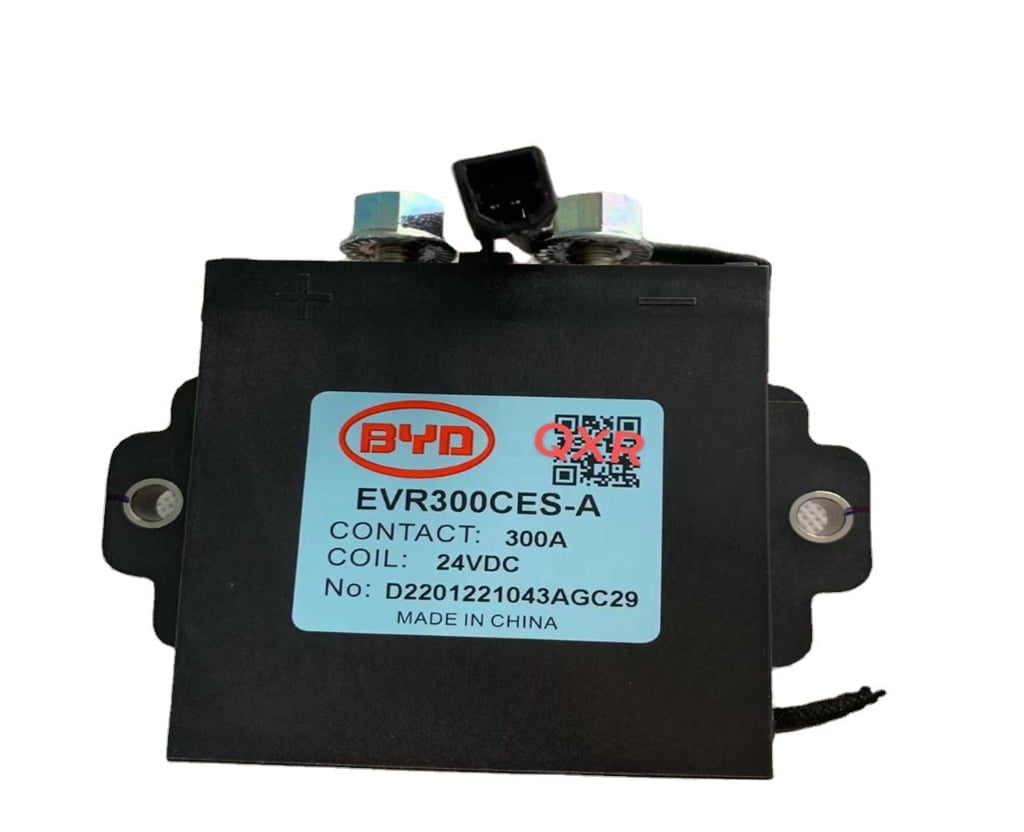
The global transition away from cadmium-based electrical contacts represents one of the most significant shifts in power engineering over the last two decades. Driven by environmental regulations such as the Restriction of Hazardous Substances (RoHS) and the Waste Electrical and Electronic Equipment (WEEE) directives, the industry has largely converged on Silver Tin Oxide (AgSnO2) as the primary replacement for the venerable Silver Cadmium Oxide (AgCdO). However, transitioning from AgCdO to AgSnO2 is not a simple “drop-in” replacement. It involves complex metallurgical and mechanical engineering challenges that require a deep understanding of material science and arc physics.

The Legacy of AgCdO: Why It Was Hard to Replace
AgCdO was the “universal” contact material for decades because of its unique arc-quenching behavior. When an arc is formed between contacts, the Cadmium Oxide (CdO) particles sublime at approximately 900°C. This sublimation process consumes a significant amount of arc energy, effectively cooling the contact surface and preventing the silver matrix from melting and welding. Additionally, the gaseous CdO provides a self-cleaning effect, maintaining low and stable contact resistance over thousands of cycles. Replicating this behavior in a cadmium-free material has been the central challenge for material scientists.
Engineering Challenge 1: Contact Resistance and Temperature Rise
One of the primary engineering challenges when transitioning to AgSnO2 is managing contact resistance. Tin Oxide (SnO2) is thermally more stable than Cadmium Oxide, which means it does not sublime as easily during arcing. While this makes the material more durable, it also leads to the accumulation of SnO2 particles on the contact surface. Because SnO2 is a semi-conductor with higher resistivity than CdO, this accumulation can lead to a steady increase in contact resistance over the life of the relay or switch. In high-current applications, this increased resistance translates to higher temperature rise, which can degrade the surrounding plastic housing or lead to premature thermal failure.
Engineering Challenge 2: Arc Erosion and Material Transfer
AgSnO2 exhibits different arc erosion and material transfer patterns compared to AgCdO. In DC applications, AgSnO2 tends to show more pronounced material transfer from one electrode to the other, which can lead to the formation of “pips and craters.” If not managed through proper alloying and manufacturing techniques, this transfer can cause mechanical interlocking of the contacts, preventing them from opening. Engineers must often adjust the contact geometry or use specific doping agents to mitigate this effect.
Solution: The Role of Doping and Manufacturing Techniques
To overcome these challenges, modern AgSnO2 materials are rarely pure binary alloys. Instead, they are “doped” with small amounts of other metal oxides such as Indium Oxide (In2O3), Bismuth Oxide (Bi2O3), or Tungsten Oxide (WO3). These additives serve several purposes: they improve the wetting of the tin oxide by the silver, promote a finer and more uniform distribution of oxide particles, and help control the viscosity of the molten silver during arcing. For instance, Indium Oxide is particularly effective at improving the anti-welding properties and lowering the contact resistance of AgSnO2, making it the preferred choice for many automotive and industrial relays.
Mechanical Adjustments: Beyond the Material
A successful transition often requires more than just changing the contact material; it may require mechanical redesign of the switching device itself. Because AgSnO2 is harder than AgCdO, it may require higher contact forces to ensure reliable electrical contact. Additionally, increasing the “wipe” (the lateral sliding motion of contacts during closure) can help break through the SnO2-rich surface layer, maintaining low contact resistance. Engineers must balance these mechanical changes against the power consumption and size constraints of the device.
Comparison of Performance Parameters
| Parameter | AgCdO (Legacy) | AgSnO2 (Modern) |
|---|---|---|
| Anti-Welding | Excellent | Superior (with doping) |
| Arc Erosion | Low | Very Low |
| Contact Resistance | Stable/Low | Higher/Increases over life |
| Thermal Stability | Good | Excellent |
| Environmental | Toxic (Cd) | Eco-Friendly |
Conclusion: A Strategic Engineering Shift
Transitioning from AgCdO to AgSnO2 is a strategic necessity in today’s environmentally conscious market. While the challenges of higher contact resistance and material transfer are significant, they are far from insurmountable. Through the clever use of doping agents, advanced powder metallurgy manufacturing processes, and subtle mechanical design adjustments, engineers can achieve performance levels that match or even exceed the legacy of AgCdO. As the industry continues to innovate, AgSnO2 will remain the cornerstone of sustainable and reliable electrical switching technology for years to come.