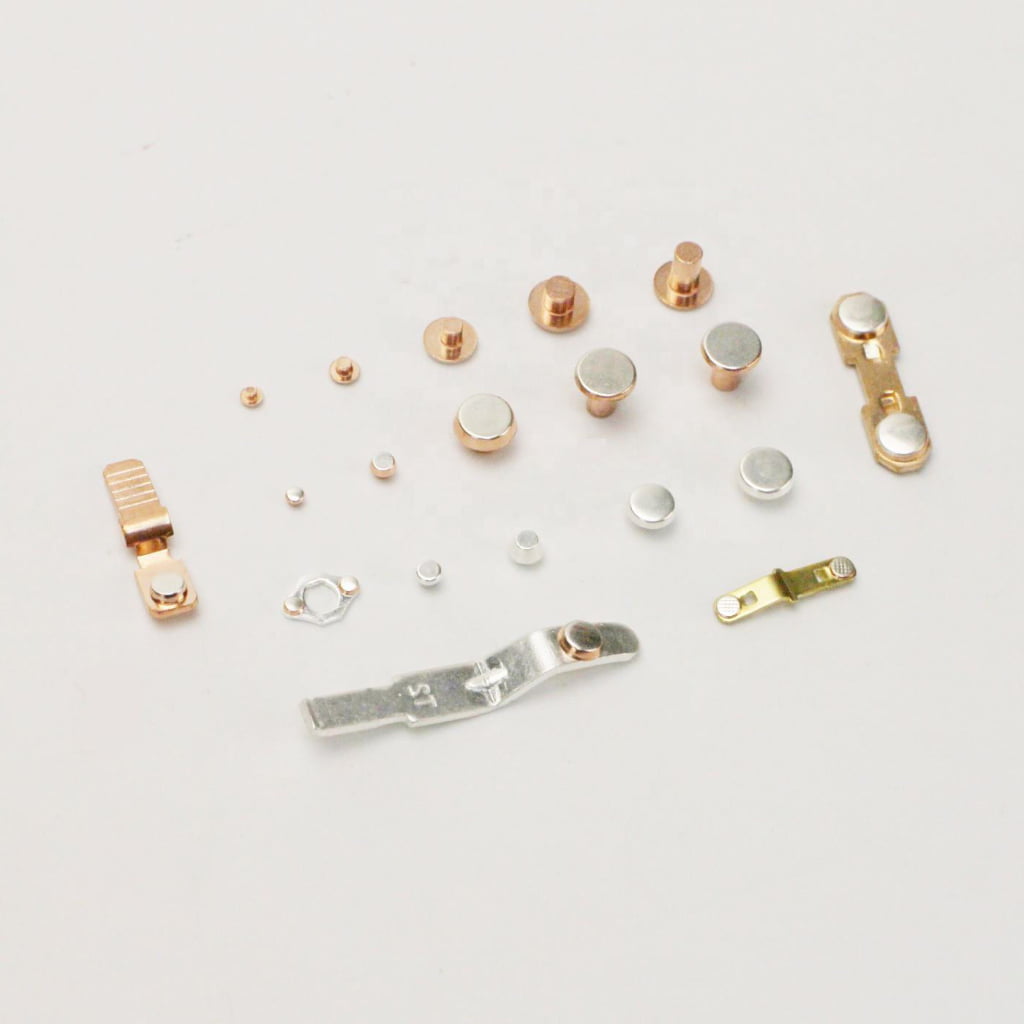
In the world of electrical switching, the arc is the enemy. It generates intense heat, erodes contact surfaces, and can lead to catastrophic failure if not managed correctly. The speed and efficiency with which this arc is extinguished determine the electrical life of the device. In this comparative study, we explore why Advanced AgZnO (Silver Zinc Oxide) has become the preferred material for the most demanding AC-3 and AC-4 switching applications.
The Physics of AgZnO Arc Quenching
Unlike silver-cadmium oxide or silver-tin oxide, Silver Zinc Oxide (AgZnO) exhibits a unique “vaporization” effect during arcing. The zinc oxide particles decompose at lower temperatures, absorbing energy from the arc and releasing oxygen and zinc vapor. This vapor increases the internal pressure in the contact gap and helps to “blow out” the arc more quickly. This self-quenching mechanism significantly reduces the total arc energy dissipated at the contact surface, leading to lower erosion rates.
AgZnO vs. AgSnO2: A Comparative Performance
While AgSnO2 is excellent for DC and resistive AC loads, AgZnO often outperforms it in AC-3 (standard motor starting) and AC-4 (plugging and inching) applications. Our internal testing shows that AgZnO maintains a more stable contact resistance and exhibits less surface roughening under high-energy AC arcing. The zinc oxide particles provide a superior non-welding surface that prevents the contacts from sticking even under high inrush currents, making it the ideal material for high-cycle industrial contactors.
The Impact of Powder Metallurgy on AgZnO Quality
The effectiveness of the arc-quenching mechanism is highly dependent on the uniformity of the zinc oxide dispersion. At Contactrivets, we use advanced powder metallurgy processes to ensure that the ZnO particles are evenly distributed throughout the silver matrix. This prevents “soft spots” where the arc could cause excessive damage. By adding trace amounts of specialized dopants, we further refine the microstructure to maximize both the % IACS conductivity and the anti-welding strength of the material.
Optimizing Contact Rivet Geometry
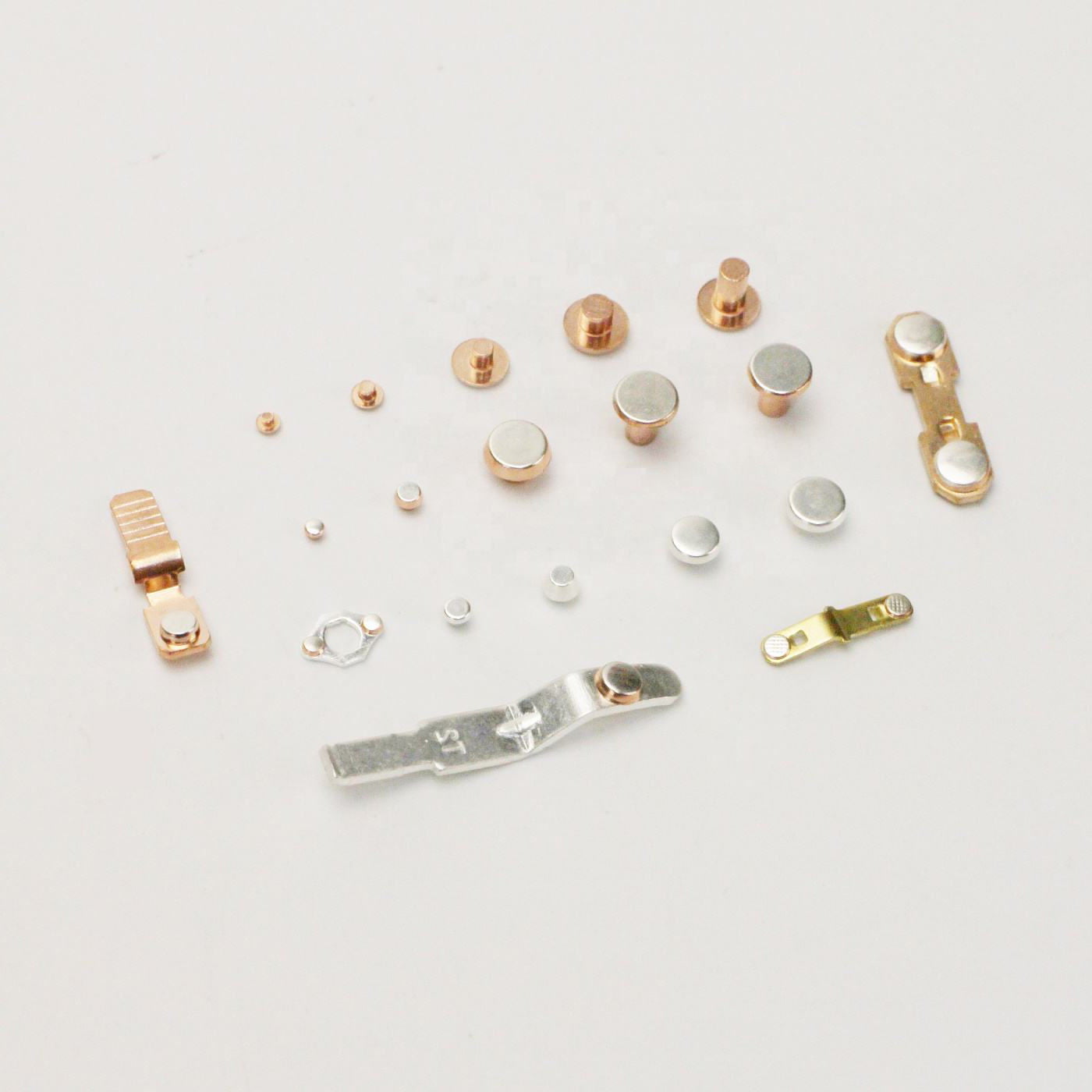
Beyond material selection, the physical geometry of the AgZnO contact rivet plays a role in arc management. A slightly domed or “radiused” surface finish helps ensure the arc starts and finishes at a consistent point, preventing it from migrating to the edges of the contact where it could cause more damage. Our automated cold-heading and rolling processes achieve the precise tolerances required for high-performance AC contactor assemblies.
Conclusion
Arc quenching is a complex science, and AgZnO is one of its most advanced solutions. By leveraging the unique thermal and chemical properties of silver zinc oxide, engineers can build contactors that are more durable, reliable, and efficient. At Contactrivets, we are committed to providing the technical data and metallurgical excellence required for the next generation of industrial control. Contact us today for a detailed technical report on our AgZnO material grades and learn how they can improve your AC switching applications.