In the highly specialized field of electrical contact manufacturing, adherence to international standards is paramount for ensuring product reliability and performance. ASTM B844 is the definitive standard for silver-tin oxide contact materials, providing a rigorous framework for their metallurgical composition, physical properties, and quality control. For engineers and procurement specialists, compliance with ASTM B844 is more than a legal requirement—it is a guarantee of quality in the most demanding switching applications.
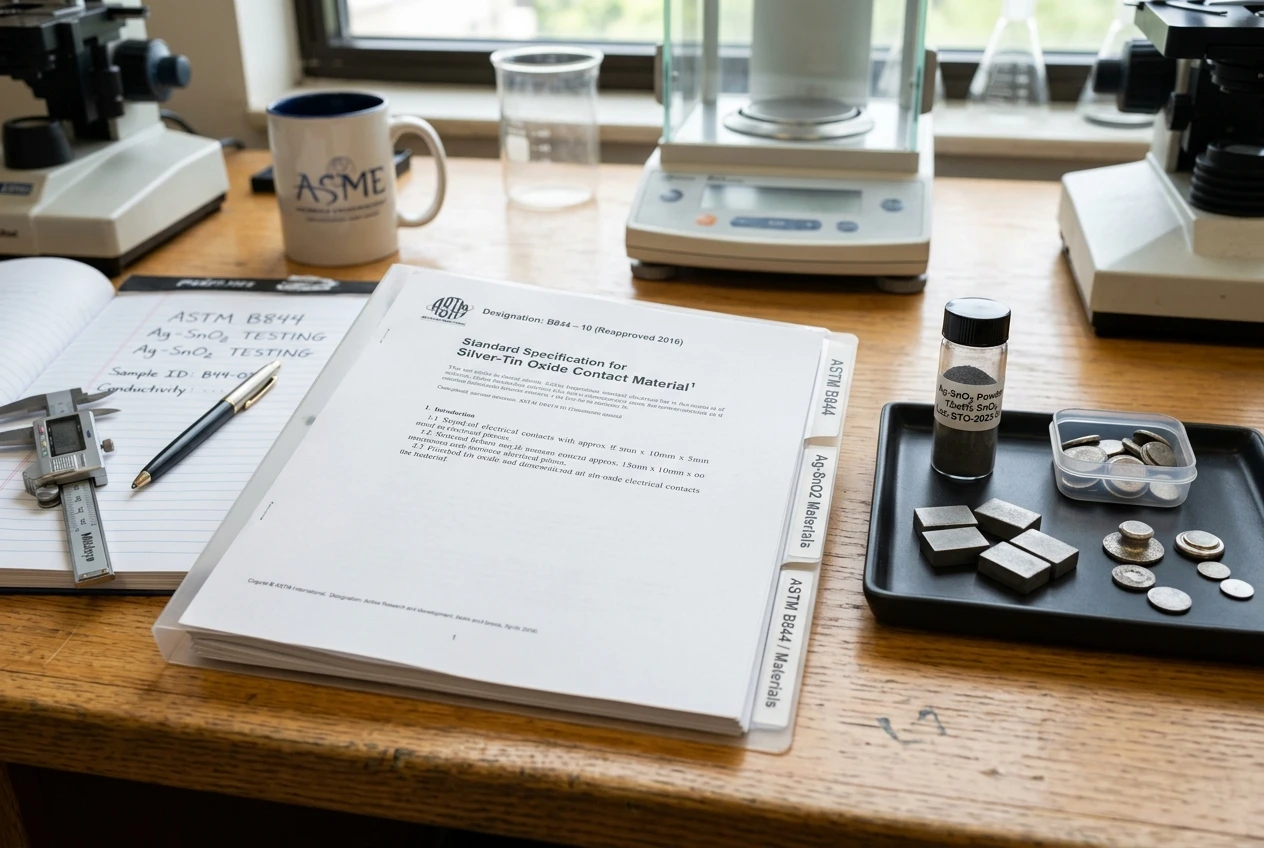
Overview of ASTM B844 Standards
ASTM B844, titled “Standard Specification for Silver-Tin Oxide Contact Material,” specifically addresses the requirements for materials used in electrical contacts where silver and tin oxide are the primary constituents. This standard covers several grades of materials, differing in their tin oxide content (typically ranging from 8% to 15%) and the presence of dopants or additives. By standardizing these compositions, ASTM B844 ensures that contact materials from different manufacturers exhibit consistent performance characteristics under standardized testing conditions.
Metallurgical and Physical Requirements
The standard defines strict limits on the chemical composition of the silver and tin oxide phases. It also specifies physical properties such as density, hardness, and electrical conductivity. For instance, the dispersion of tin oxide particles within the silver matrix must be uniform and within specific particle size ranges to optimize arc erosion resistance. Maintaining high density is also critical, as porosity in the contact material can lead to premature failure and increased contact resistance.
Quality Control and Manufacturing Compliance
Manufacturers must implement robust quality management systems to meet ASTM B844 requirements. This includes rigorous inspection of raw materials, precise control over the sintering or internal oxidation processes, and comprehensive post-production testing. Each lot of material must be traceable and accompanied by documentation certifying its compliance with the specified grade. This level of oversight is essential for applications in critical infrastructure, where the failure of a single contact could have widespread consequences.
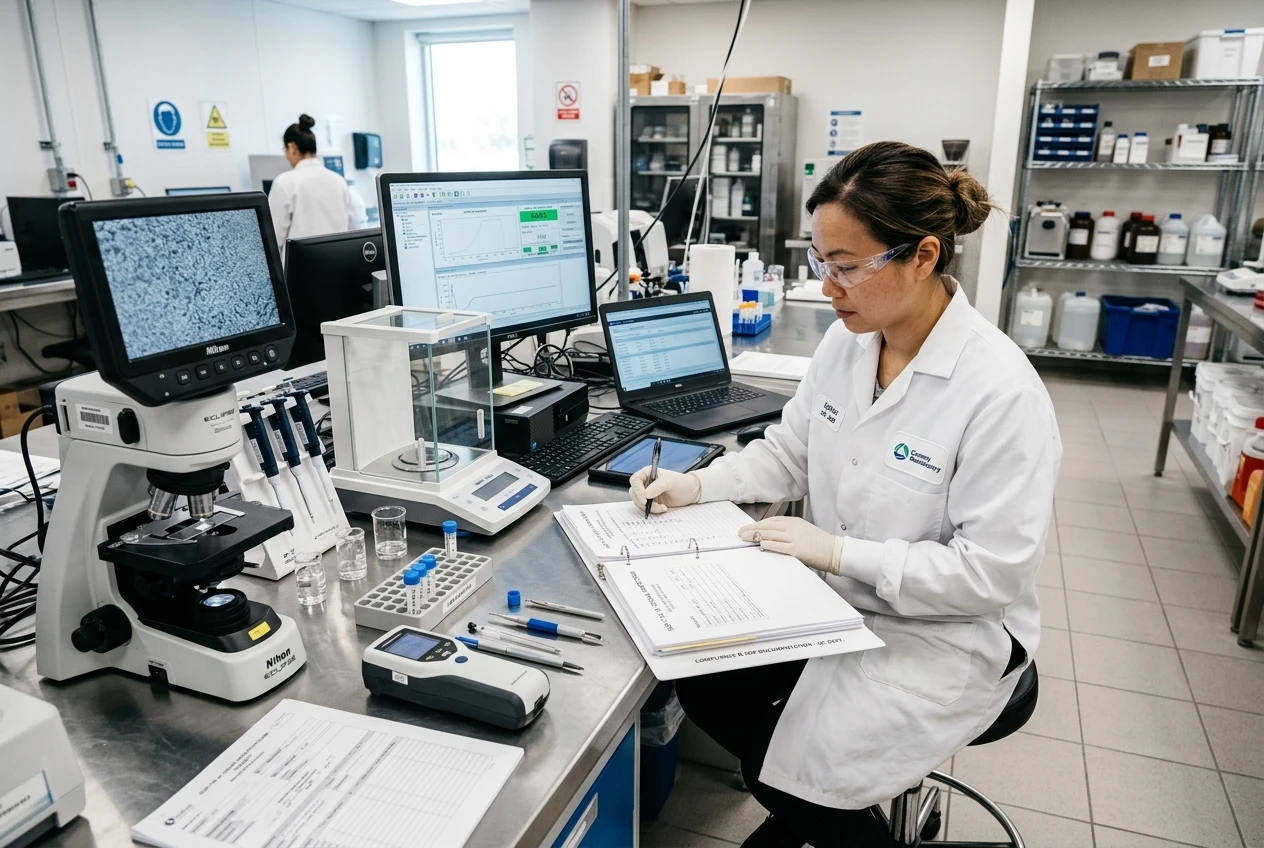
Standardized Testing Procedures
ASTM B844 outlines various testing protocols to verify compliance. These include chemical analysis (using techniques like ICP-OES), metallographic examination to assess particle distribution and grain size, and mechanical testing for hardness and tensile strength. Furthermore, electrical testing may be conducted to evaluate the material’s performance under simulated load conditions. These standardized tests allow for objective comparisons between different material lots and help to identify any deviations from the quality standard early in the production cycle.
The Importance of ASTM B844 in the Global Market
As the electrical industry becomes increasingly globalized, the role of standards like ASTM B844 becomes even more significant. It provides a common language for manufacturers, suppliers, and customers across different regions, facilitating international trade and ensuring that electrical components meet a baseline level of safety and reliability. For manufacturers of circuit breakers, contactors, and relays, specifying ASTM B844 compliant materials is a critical step in building products that can compete in the global marketplace.
Conclusion
Compliance with ASTM B844 represents a commitment to excellence in the production of silver-tin oxide electrical contacts. By adhering to these stringent standards, manufacturers can deliver materials that provide superior arc erosion resistance, stable contact resistance, and long-term durability. For the engineers who design the systems that power our world, ASTM B844 provides the confidence that their electrical contacts will perform as expected, cycle after cycle, year after year.