The quest for higher reliability and longer service life in heavy-duty switching devices has driven significant innovation in electrical contact materials. Among the most advanced materials currently available is the triple-oxide silver contact system, specifically AgSnO2-In2O3-Bi2O3. By combining three different metal oxides within a silver matrix, metallurgical engineers have created a material that offers superior performance over traditional binary oxide systems. This technical review explores the metallurgical advantages and operational benefits of triple-oxide silver contacts.
The Synergy of Triple Oxides: SnO2, In2O3, and Bi2O3
In a binary AgSnO2 system, tin oxide provides excellent arc erosion resistance. However, the addition of indium oxide (In2O3) and bismuth oxide (Bi2O3) introduces several synergistic effects. Indium oxide helps to refine the grain structure of the silver matrix and improves the wetting properties of the oxide particles. Bismuth oxide, on the other hand, acts as a sintering aid and helps to stabilize the contact resistance by preventing the formation of insulating layers during low-current operation. Together, these three oxides create a material that is more robust and versatile than its predecessors.
Metallurgical Microstructure and Dispersion
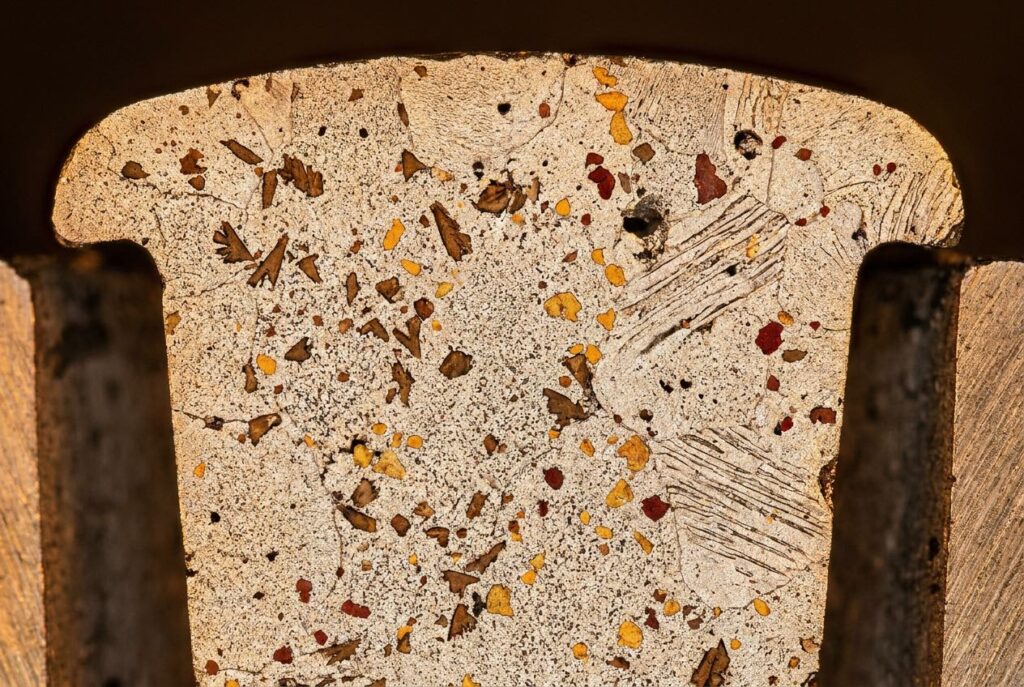
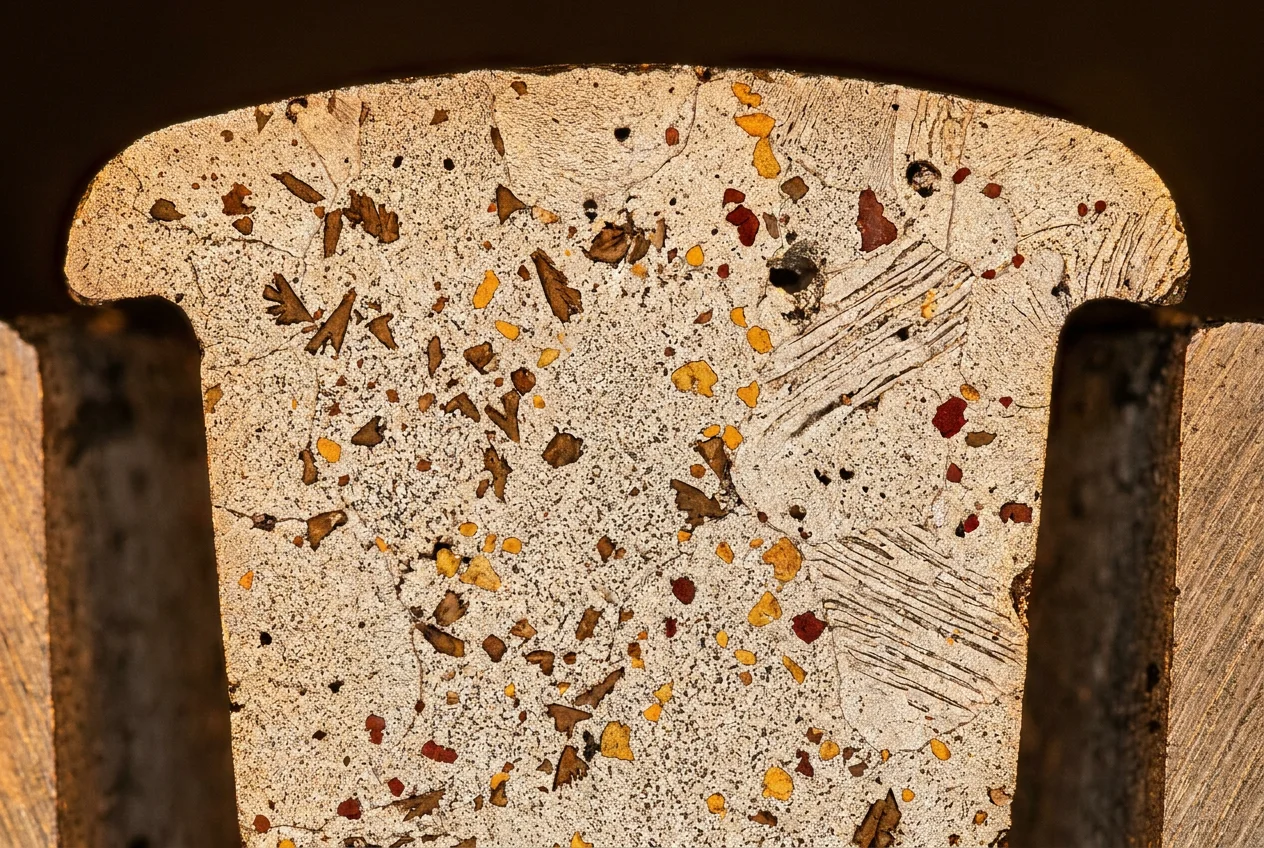
The performance of triple-oxide contacts is highly dependent on the uniform dispersion of the oxide particles. Advanced manufacturing techniques, such as chemical co-precipitation followed by powder metallurgy, are used to ensure that the SnO2, In2O3, and Bi2O3 particles are finely and evenly distributed. This fine dispersion is critical for effective arc management; it helps to distribute the arc energy across the entire contact surface, preventing localized melting and material transfer. The resulting microstructure exhibits high thermal stability, even under the intense heat generated during short-circuit interruptions.
Operational Advantages in Heavy-Duty Switching
In heavy-duty applications like industrial contactors and high-power relays, triple-oxide silver contacts exhibit exceptional resistance to welding and arc erosion. The presence of multiple oxides creates a more complex interface during arcing, which effectively interrupts the formation of a continuous liquid phase of silver. This significantly reduces the likelihood of contact welding, even during high-inrush current events. Furthermore, the stable contact resistance provided by the bismuth oxide addition ensures that the device operates efficiently with minimal heat generation throughout its service life.
Thermal and Electrical Conductivity
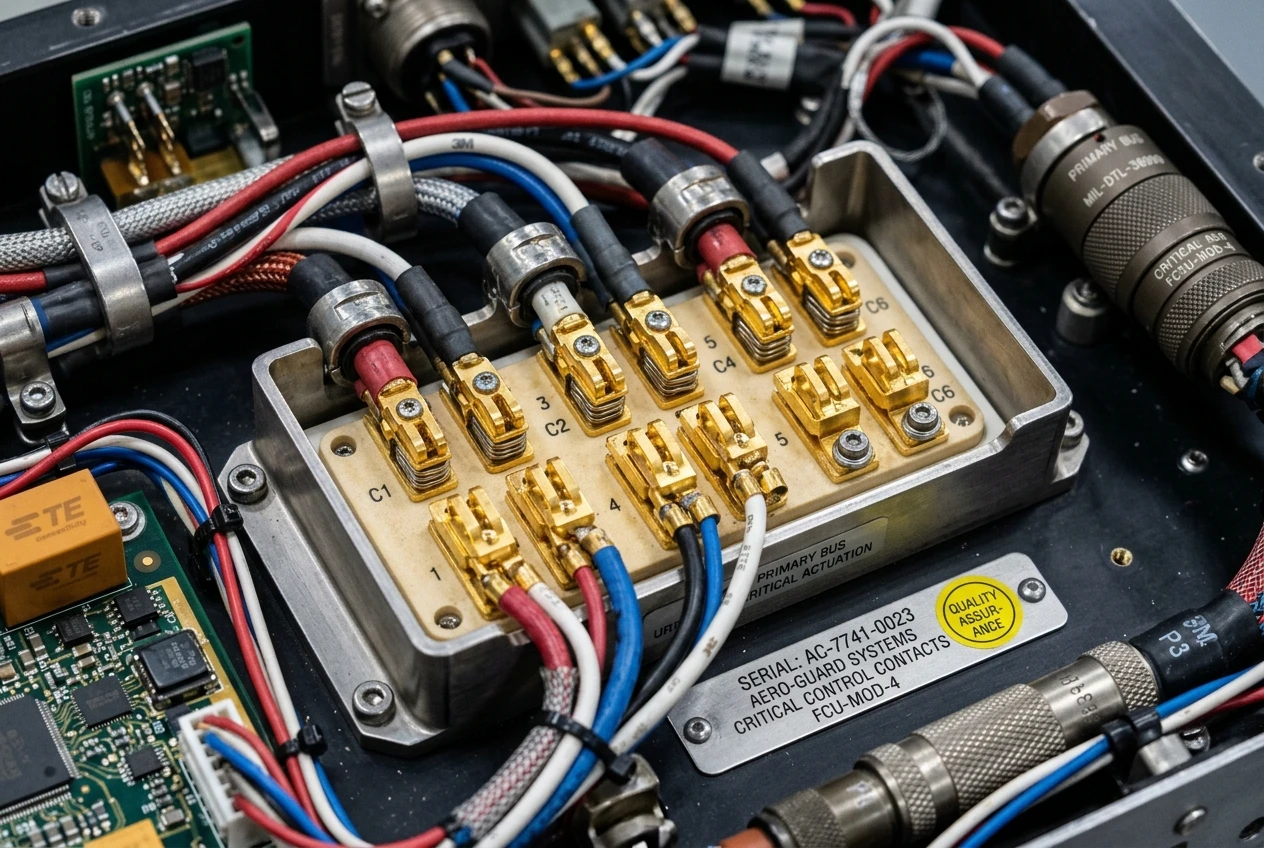
Despite the high oxide content, triple-oxide silver contacts maintain high electrical and thermal conductivity. This is achieved through careful control of the material’s density and the interfaces between the silver matrix and the oxide particles. High thermal conductivity is essential for dissipating the heat generated during the arcing process, while high electrical conductivity ensures low voltage drops across the contacts. The balance between these conductive properties and the durability provided by the oxides makes AgSnO2-In2O3-Bi2O3 an ideal choice for high-performance switching applications.
Conclusion
The development of triple-oxide silver contacts (AgSnO2-In2O3-Bi2O3) represents a significant milestone in contact material science. By leveraging the synergistic effects of multiple metal oxides, this material offers a unique combination of arc erosion resistance, weld resistance, and stable contact resistance. As industrial and commercial electrical systems continue to demand higher power levels and greater reliability, triple-oxide contacts are poised to play an increasingly important role in the next generation of switching technology. Their superior performance under heavy-duty conditions makes them a preferred choice for engineers seeking the ultimate in switching reliability.