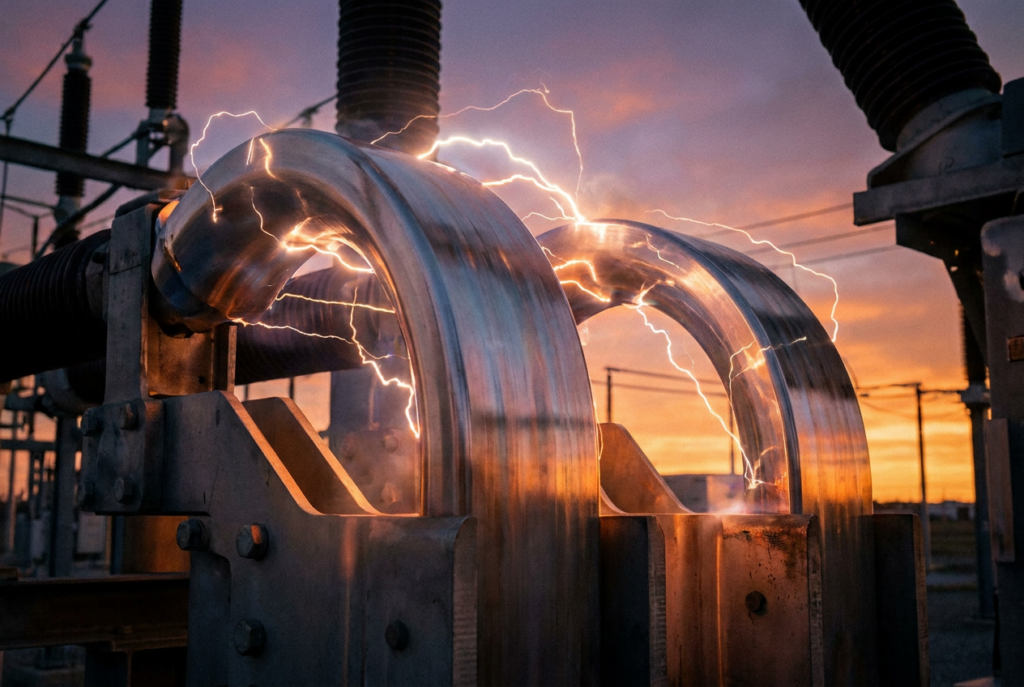
Circuit breakers are the unsung heroes of the modern electrical grid. They must stand ready to interrupt massive surges of energy in milliseconds to prevent fire and equipment damage. At the core of every breaker are the circuit breaker contacts, components that must withstand the most violent forces in the electrical world.
Engineering for Fault Currents
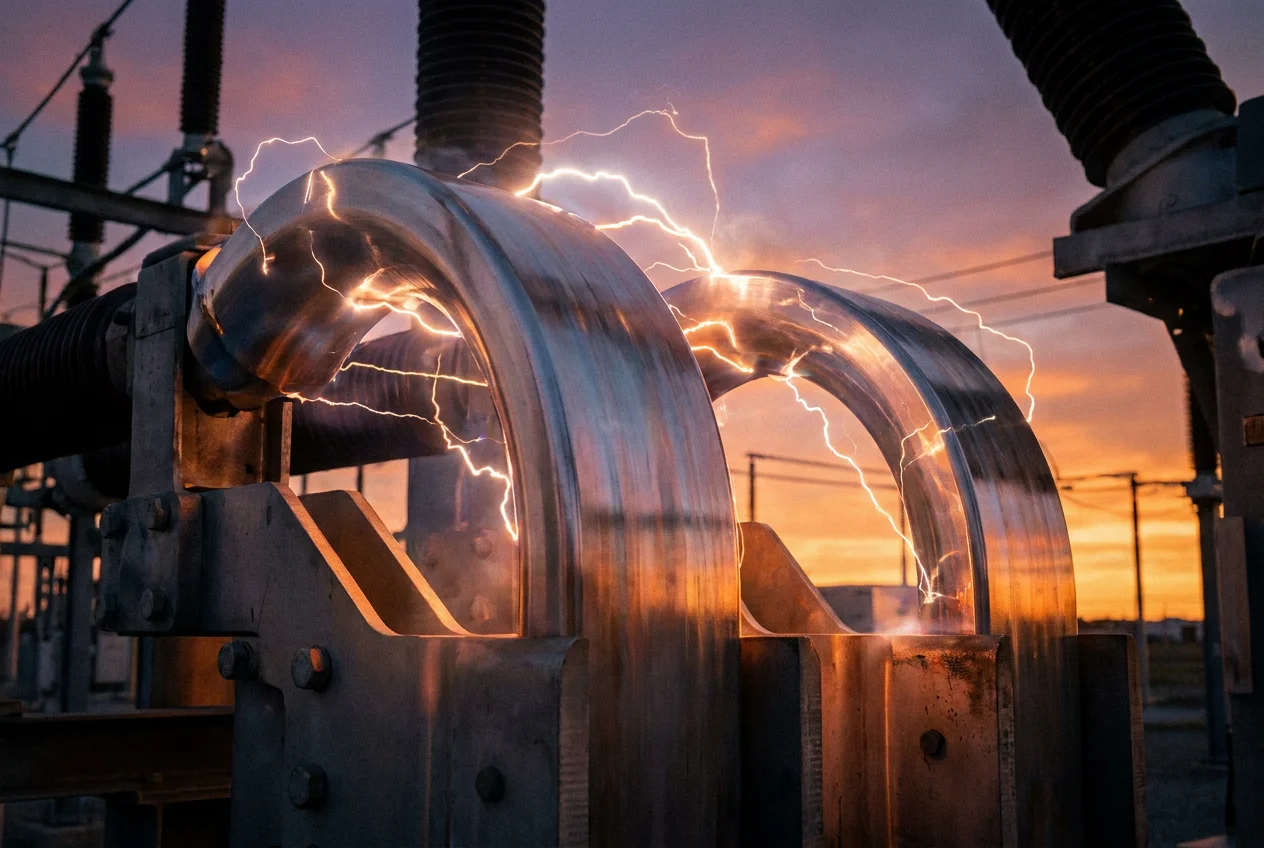
When a fault occurs, a circuit breaker must interrupt a current that can be thousands of times higher than its normal operating load. This creates a massive electrical arc. The contacts must be engineered to:
- Survive the Arc: Using materials like AgW (Silver Tungsten) or WCu (Tungsten Copper) that resist vaporization.
- Minimize Contact Resistance: To prevent heat buildup during normal operation.
- Close Securely: Ensuring a stable connection that doesn’t “bounce,” which would create damaging micro-arcs.
Material Selection: The Key to Longevity
Different types of breakers require different contact materials.
- Low-Voltage Air Breakers: Often use AgNi or AgSnO2 for a balance of conductivity and anti-welding.
- Medium and High-Voltage Breakers: Rely on refractory composites like Silver Tungsten to handle the intense energy of high-voltage arcs.
The Importance of Contact Pressure
Beyond material, the mechanical design of the contact assembly is vital. High contact pressure ensures that the surface area of connection is maximized, which keeps resistance (and heat) low. Over time, contact springs can weaken, which is why regular maintenance and testing of contact resistance are essential for grid safety.
Conclusion: Reliability in a Millisecond
A circuit breaker is only as good as its contacts. As we move toward a smarter, more integrated grid, the demand for high-performance, precision-engineered contacts will only continue to grow, ensuring that our power distribution remains safe and stable.