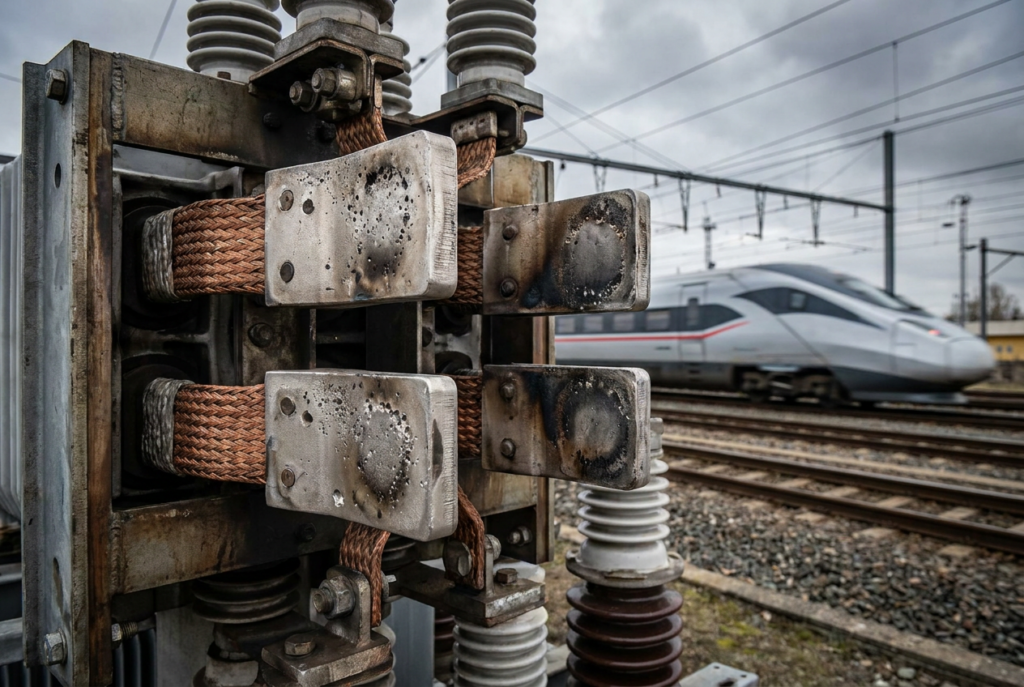
High-speed railway traction systems represent the pinnacle of modern transportation engineering, demanding uncompromising reliability and performance from every component. At the heart of these systems’ power control and distribution are silver alloy contacts. These contacts are responsible for handling massive electrical currents and ensuring seamless operation in environments characterized by extreme thermal cycling and intense mechanical stress.
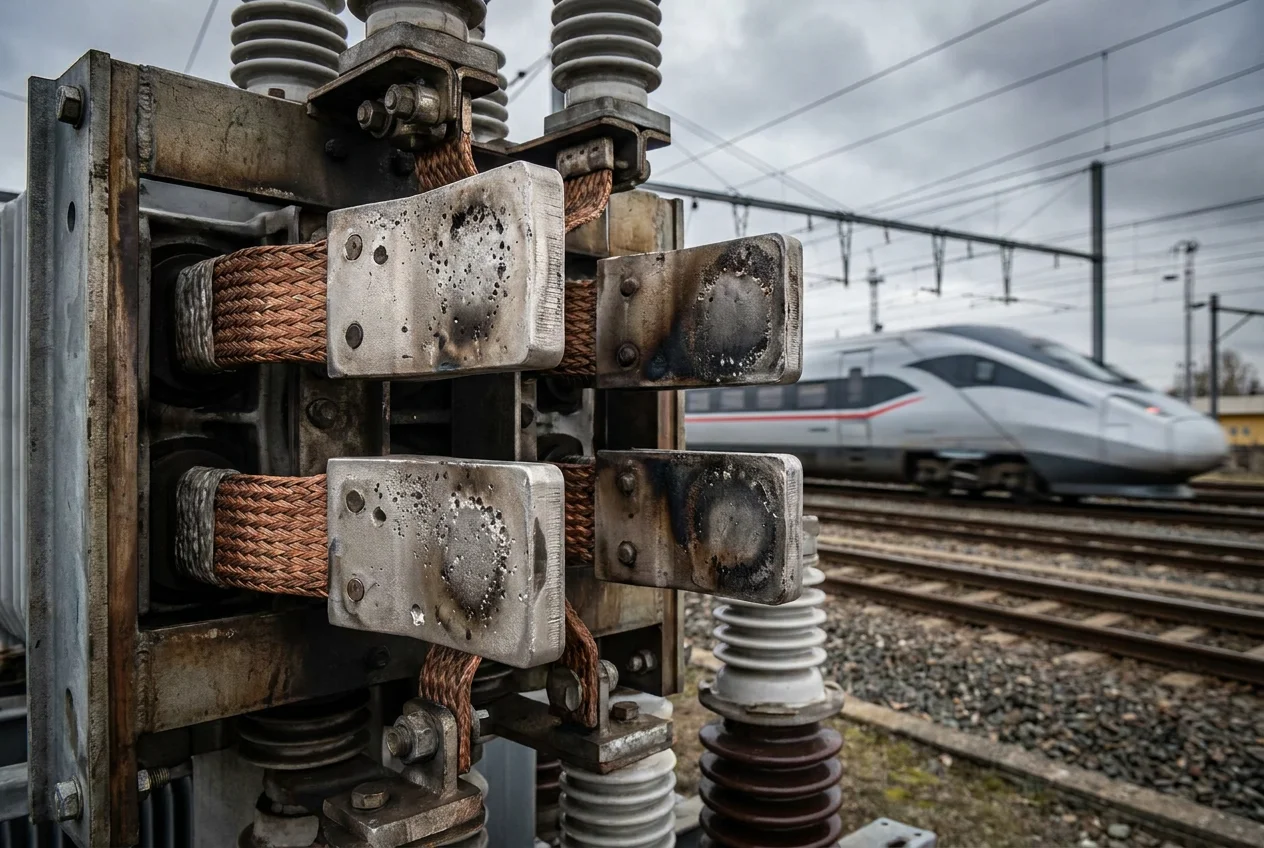
The Critical Role of Silver Alloy Contacts in Traction
In traction systems, electrical contacts are found in pantographs, circuit breakers, and power converters. Their primary function is to make and break electrical connections under load. The choice of silver as the base material is due to its superior electrical and thermal conductivity, which minimizes contact resistance and heat generation. However, pure silver is too soft and prone to welding under high currents. Therefore, metallurgical engineers utilize silver alloys to enhance hardness and erosion resistance.
Advanced Material Science: Silver-Tin Oxide (AgSnO2)
Silver-Tin Oxide (AgSnO2) has largely superseded Silver-Cadmium Oxide (AgCdO) in railway applications due to its superior resistance to arc erosion and welding. In high-speed rail, where the frequency of operation is high, AgSnO2 contacts provide a stable contact resistance over thousands of cycles. The inclusion of tin oxide particles dispersed within the silver matrix helps to break up the arc and prevent the formation of large molten pools that lead to contact welding.
The manufacturing process of these contacts, often involving powder metallurgy or internal oxidation, is meticulously controlled to ensure a uniform distribution of oxide particles. This uniformity is crucial for maintaining consistent performance across the entire surface of the contact, preventing localized hotspots and premature failure. In the demanding environment of a high-speed train, even a minor inconsistency in material composition can lead to catastrophic failure of the traction system.
Performance Under High-Current and Dynamic Loads
Railway traction systems often involve currents exceeding several hundred amperes. During the switching process, an electrical arc is formed between the opening or closing contacts. This arc can reach temperatures of several thousand degrees Celsius, leading to material vaporization and surface degradation. Silver alloy contacts are designed to withstand these temperatures, maintaining their geometric integrity and conductive properties. Furthermore, the dynamic nature of a moving train introduces significant vibrations, which can cause contact bounce. Silver contacts must be engineered to minimize this bounce to prevent premature wear.
Arcing is not just a thermal challenge; it also causes material transfer between contacts. In DC systems, material typically moves from the anode to the cathode, leading to the formation of “pits” and “cones.” Silver-tin oxide materials are specifically engineered to mitigate this transfer, thereby extending the maintenance intervals for traction components. This is especially important for high-speed rail networks, where downtime is extremely costly and reliability is paramount for passenger safety.
Thermal Management and Reliability
Efficient heat dissipation is vital for the longevity of traction contacts. Excessive heat can lead to material softening and accelerated oxidation. Silver alloys, with their high thermal conductivity, facilitate the rapid transfer of heat away from the contact interface. This thermal stability ensures that the contacts remain within their specified operating temperature range, even during peak load periods or in high-ambient-temperature environments.
Beyond the material properties, the geometry of the contact also plays a significant role in thermal management. Large, well-designed contact surfaces allow for better heat distribution and lower contact resistance. Engineers must balance the size of the contact with the mechanical requirements of the switching mechanism, ensuring that the contact can be moved rapidly and precisely while still providing a robust electrical connection.
Maintenance and Longevity in Modern Rail Networks
The transition to predictive maintenance in high-speed rail relies on the consistent performance of components like silver contacts. By monitoring the contact resistance and surface condition of these contacts, railway operators can schedule maintenance before a failure occurs. Silver-tin oxide contacts, with their predictable wear patterns and high durability, are ideal for this approach. They provide the necessary reliability for the high-intensity operation characteristic of modern high-speed rail corridors, such as those in Europe and Asia.
Conclusion
As high-speed rail technology continues to evolve, the demands on electrical contacts will only increase. Silver alloy contacts, particularly those utilizing advanced oxide-dispersion-strengthened materials like AgSnO2, remain the industry standard for ensuring the safety and efficiency of modern railway traction systems. Their unique combination of electrical performance and physical durability makes them indispensable for the future of high-speed rail, supporting higher speeds and greater passenger capacities with absolute reliability.