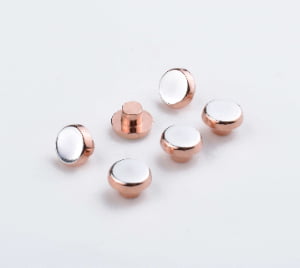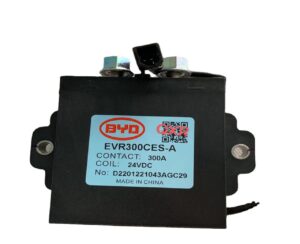
In the evolution of electrical contact materials, Silver Tin Oxide (AgSnO2) has emerged as a robust alternative to cadmium-based alloys. However, the performance of AgSnO2 is significantly influenced by the addition of secondary metal oxides, known as dopants. Among these, Indium Oxide (In2O3) has proven to be one of the most effective agents for enhancing the electrical life and thermal stability of contact rivets. This technical analysis explores how In2O3 dopants refine the microstructure and improve the overall performance of silver-based contacts in high-power applications.
Microstructure Refinement and Oxide Dispersion
The primary role of Indium Oxide in AgSnO2 alloys is to act as a grain refiner. Without dopants, tin oxide particles tend to agglomerate during the internal oxidation or powder metallurgy process. Large clumps of SnO2 can create localized areas of high resistance and mechanical weakness. When In2O3 is introduced, it promotes a more uniform and finer dispersion of tin oxide particles within the silver matrix.
This refined microstructure is crucial for maintaining consistent electrical properties. A fine dispersion of oxides ensures that the arc energy is distributed more evenly across the contact surface, preventing localized “hot spots” that lead to premature erosion. In high-power relays, this uniformity translates directly into a more stable contact resistance over thousands of switching cycles.
Inhibition of Grain Growth at High Temperatures
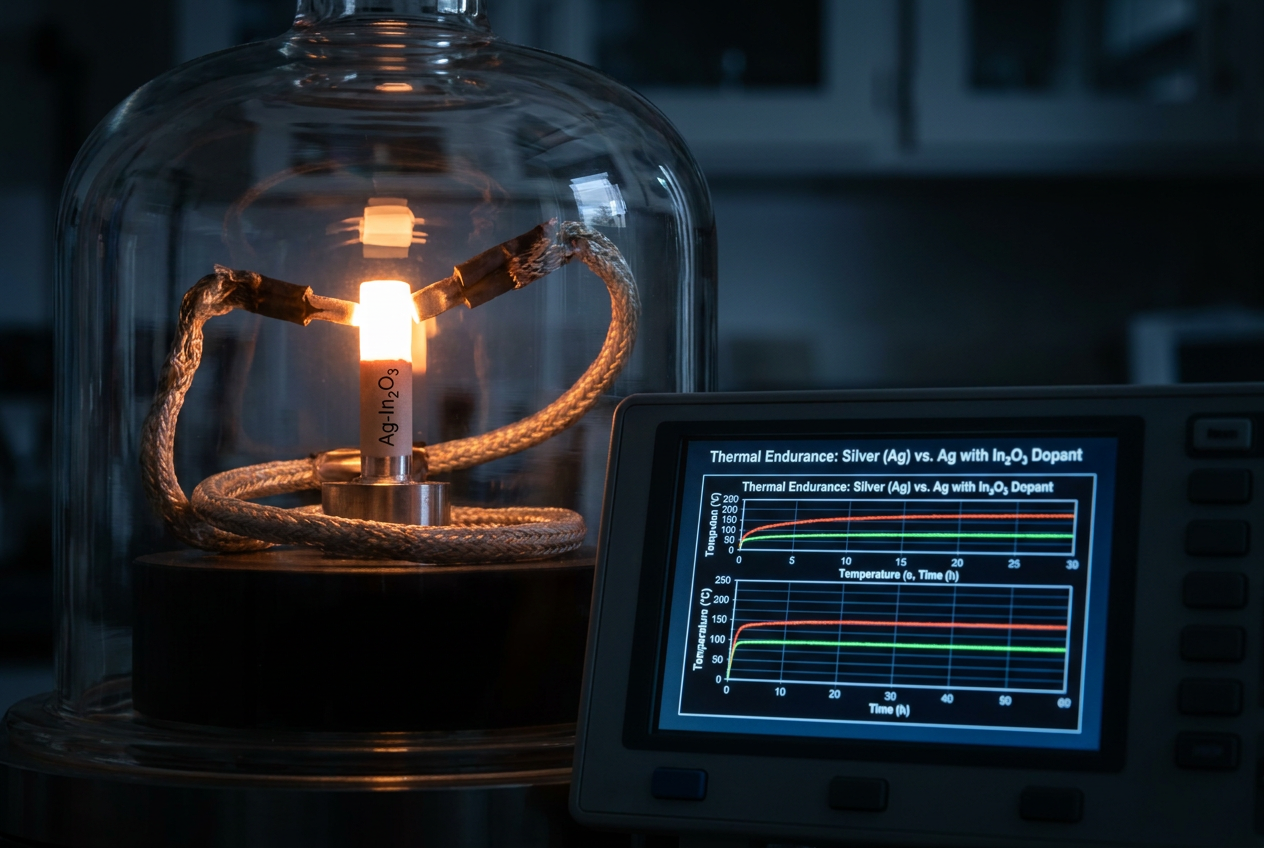
Electrical contacts in high-load circuits are subjected to intense thermal stress. During an arc event, the surface temperature can exceed the melting point of silver (961.8°C). Under these conditions, the silver grains naturally tend to grow, a process that can lead to material softening and increased erosion rates.
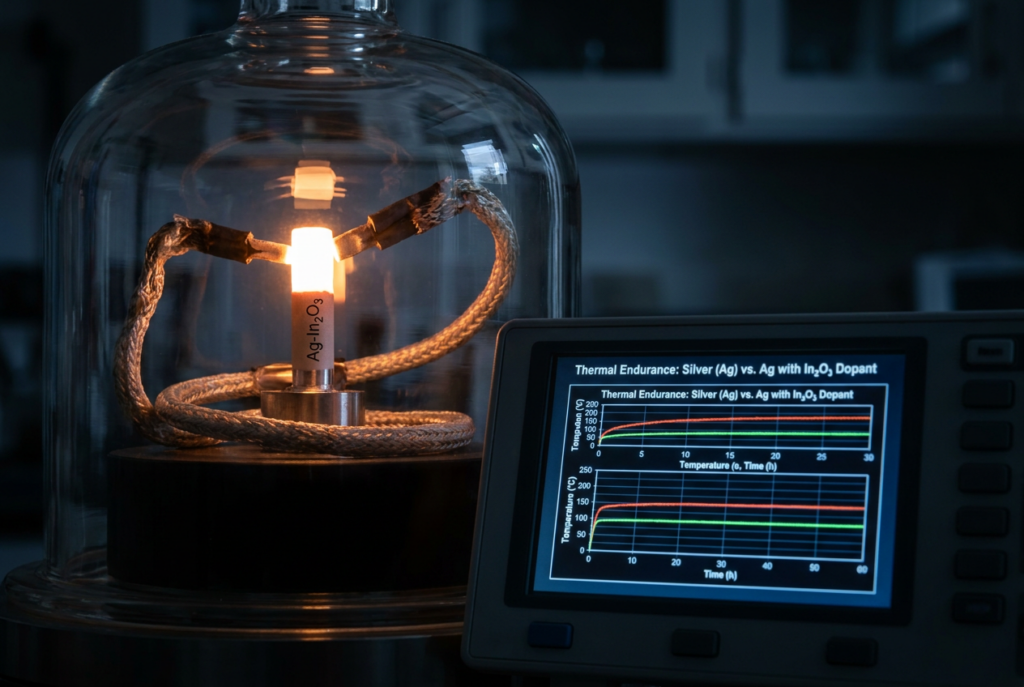
In2O3 dopants exhibit exceptional thermal stability and serve as effective “pinning” agents at the silver grain boundaries. By inhibiting grain growth, Indium Oxide ensures that the contact maintains its mechanical hardness and structural integrity even after repeated exposure to electrical arcs. This “thermal pinning” effect is a key factor in extending the service life of contacts used in automotive starters and industrial motors where thermal cycling is frequent.
Improving Arc Mobility and Quenching
The behavior of the electrical arc during the “break” phase of a switch determines the amount of material lost to erosion. A stationary arc concentrates heat in one spot, causing deep pitting. To minimize erosion, the arc must be encouraged to move across the contact surface—a property known as arc mobility.
Indium Oxide dopants improve arc mobility by modifying the surface energy of the contact material. The presence of In2O3 at the surface reduces the tendency of the arc to “root” in one location. Instead, the arc moves rapidly across the contact interface, distributing the thermal load and facilitating faster quenching. This rapid movement not only reduces material loss but also prevents the formation of large “melt pools” that can lead to contact welding.
Impact on Electrical Life: Quantitative Benchmarks
The ultimate measure of a dopant’s effectiveness is the increase in the electrical life of the component. Comparative studies have shown that AgSnO2 contacts doped with In2O3 can achieve an electrical life up to 50% longer than non-doped variants under similar load conditions. In high-power relay applications, such as those found in HVAC systems and industrial controllers, the addition of 3-5% In2O3 by weight has become the industry standard for achieving the required durability and reliability.
Conclusion
The addition of Indium Oxide (In2O3) to silver tin oxide contacts is not merely a manufacturing tweak; it is a fundamental engineering solution to the challenges of high-power switching. By refining the microstructure, inhibiting grain growth, and improving arc mobility, In2O3 ensures that modern contact rivets can meet the demanding requirements of today’s electrical systems. As power densities continue to rise, the role of these advanced dopants will only become more critical in ensuring the longevity and safety of our electrical infrastructure.