In the world of electromechanical systems, sliding contacts present a unique challenge: the need for excellent electrical conductivity coupled with low mechanical friction and minimal wear. Silver Graphite (AgC) has emerged as the premier material solution for these demanding applications. By integrating the natural lubricity of graphite with the high conductivity of silver, AgC materials enable the smooth and reliable operation of motor brushes, slip rings, and precision instrumentation across diverse industries. This technical guide explores the properties and applications that make Silver Graphite indispensable for sliding electrical contacts.

The Science of Self-Lubrication: Why Graphite Matters
The core advantage of Silver Graphite lies in its self-lubricating properties. Graphite is a form of carbon where atoms are arranged in hexagonal layers (graphene). These layers are held together by weak van der Waals forces, allowing them to slide over one another with extremely low resistance. When graphite is dispersed within a silver matrix, it provides a continuous supply of lubricant to the contact interface.
As the sliding contact moves against a stationary conductor (such as a commutator or slip ring), a thin film of graphite, known as a transfer film or “patina,” is established on the surface. This film dramatically reduces the coefficient of friction, preventing the “stick-slip” phenomenon and minimizing mechanical wear. Unlike liquid lubricants, which can evaporate or contaminate electrical circuits, the solid lubrication provided by graphite is stable over a wide range of temperatures and atmospheric conditions, including vacuum environments where traditional lubricants fail.
Optimizing Graphite Content: Balancing Lubricity and Conductivity
Silver Graphite materials are typically classified by their graphite content, which usually ranges from 2% to 15% by weight. Selecting the correct percentage is a critical engineering decision that balances mechanical performance with electrical efficiency.
- Low Graphite Content (2-5%): These grades offer the highest electrical conductivity and mechanical strength. They are ideal for applications with high current densities but relatively low sliding speeds.
- Medium Graphite Content (5-10%): Often considered the “general purpose” grades, these provide an excellent balance of low friction and reliable electrical contact. They are widely used in standard DC motor brushes.
- High Graphite Content (10-15%): These grades maximize lubricity and are designed for high-speed sliding applications or environments where minimizing mechanical noise and vibration is the priority. However, the higher graphite content increases the electrical resistivity of the material.
Minimizing Contact Resistance and Electrical Noise
In precision instrumentation and signal transmission, electrical noise (often caused by fluctuating contact resistance) can degrade system performance. Silver Graphite is prized for its ability to maintain a stable, low-resistance path even during continuous movement. The silver matrix provides the primary conductive path, while the graphite ensures that the contact surfaces remain smooth and free of insulating debris. This combination results in a remarkably quiet electrical interface, making AgC the material of choice for high-end potentiometers and rotary encoders where signal integrity is paramount.
Preventing Material Transfer and Contact Welding
One of the most significant failure modes in electrical contacts is “cold welding” or material transfer, where the heat generated by electrical resistance or mechanical friction causes the contact surfaces to fuse together. Silver Graphite’s composite structure inherently resists this. Graphite does not weld to metals, and its presence at the contact interface acts as a separator that prevents the silver phases of the two contacts from coming into direct, high-pressure contact. This anti-welding property is essential for the long-term reliability of sliding systems that must operate without interruption for thousands of hours.
Key Applications: From Industrial Motors to Aerospace
The versatile properties of AgC make it suitable for a vast array of high-performance components:
- DC Motor Brushes: In both industrial and automotive motors, AgC brushes provide the necessary commutation with minimal wear on the copper commutator, extending the service life of the motor.
- Slip Rings: Used in wind turbines, radar antennas, and medical imaging equipment (like CT scanners), AgC contacts allow for the continuous transmission of power and data across a rotating interface.
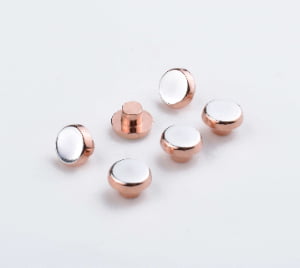
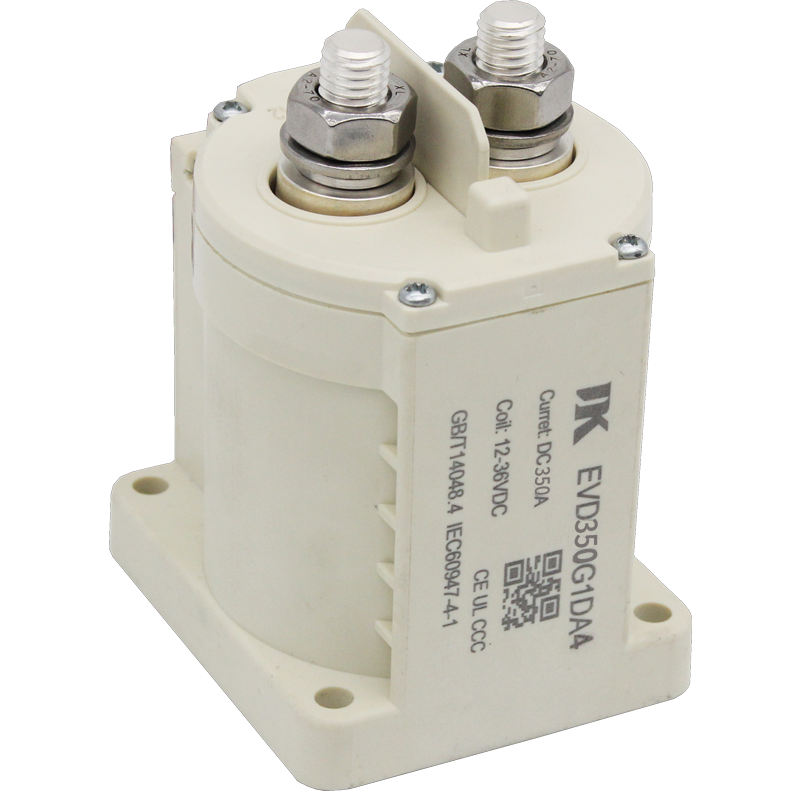
- Switchgear and Contactors: While primarily used for sliding contacts, certain AgC grades are used in heavy-duty contactors where their anti-welding properties provide a safety margin against fault currents.
- Railway Power Collection: High-speed trains often use silver-graphite impregnated strips on pantographs to collect power from overhead lines while minimizing wear on the expensive contact wires.
Manufacturing Precision: Press-Sinter-Extrude
Manufacturing Silver Graphite requires precise control over the powder metallurgy process to ensure a uniform distribution of graphite particles. The most common method is the “Press-Sinter-Extrude” process. Silver and graphite powders are mixed, pressed into a billet, and sintered at high temperatures. The sintered billet is then extruded into the final shape (wire, strip, or profile). This extrusion process aligns the graphite particles, often resulting in anisotropic properties where the lubricity is maximized in the direction of sliding. This structural tailoring allows engineers to optimize the material for specific mechanical configurations.
Conclusion: The Future of Frictionless Conductivity
As we move toward a more electrified future, the demand for efficient and durable sliding contacts will only continue to grow. From the electric motors driving our vehicles to the precision sensors in our smartphones, Silver Graphite (AgC) provides the essential bridge between electrical performance and mechanical endurance. By understanding the science of self-lubrication and carefully selecting the right material grade, engineers can design systems that are quieter, more efficient, and longer-lasting. Silver Graphite remains the gold standard for minimizing friction and maximizing reliability in the world of sliding electrical contacts.